English
 日本語
日本語 한국어
한국어 français
 Deutsch
 Español
 italiano
 русский
 português
 Türkçe
 العربية
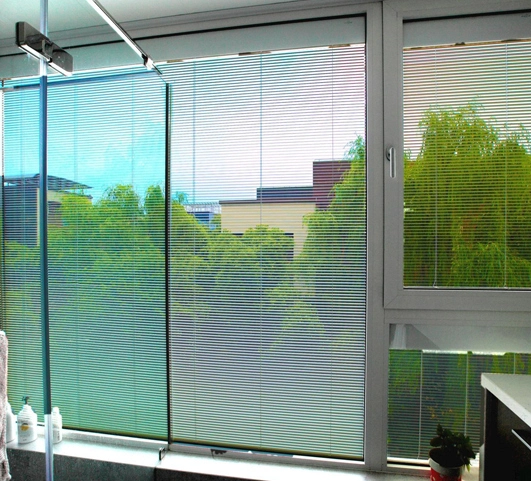
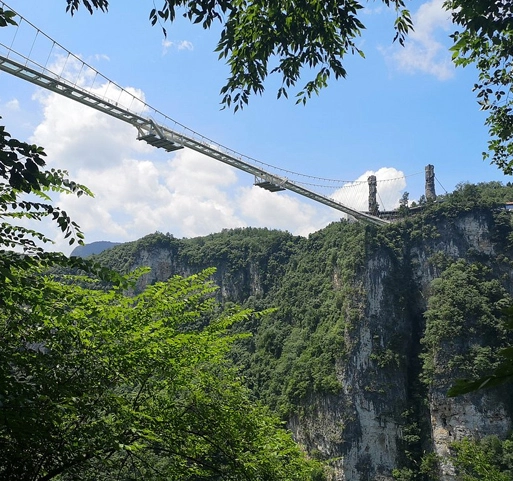

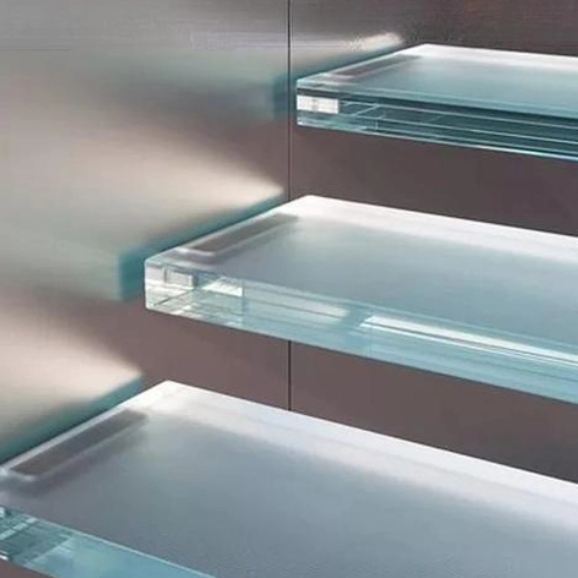
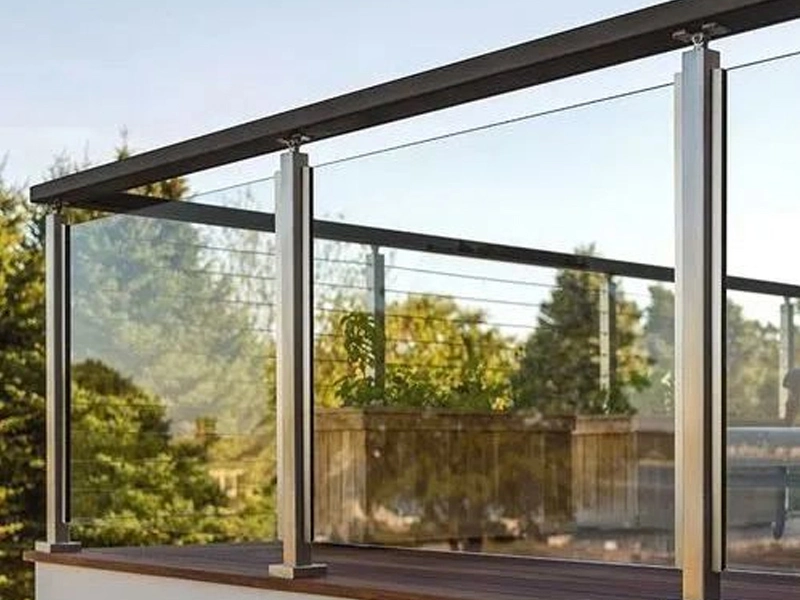
Green buildings demand more than attractive façades—they require measurable performance in energy control, occupant comfort, and long-term durability. That’s where laminated pvb glass stands out: the polyvinyl butyral interlayer bonds glass plies into a safer, more functional glazing system that can help reduce UV transmission, improve acoustics, and support high-performance envelope strategies when paired with the right glass configuration. For architects and contractors, understanding how the interlayer works is key to specifying laminated glass that aligns with sustainability goals.
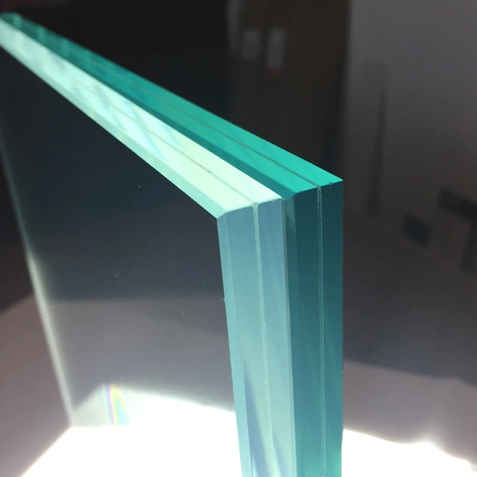
Laminated glass consists of two or more glass sheets bonded with a polyvinyl butyral interlayer. This interlayer provides strong adhesion, shatter retention for safety, and optical clarity for aesthetics. It's used in windows, curtain walls, skylights, and railings.

(Simple cross-section: Glass ply | Polyvinyl butyral interlayer | Glass ply – bonds under heat/pressure for monolithic strength.)
UV rays degrade furnishings, artwork, and finishes indoors. Pvb glass with polyvinyl butyral interlayer blocks up to 99% of UV (industry standard), protecting sensitive areas.
Where UV protection matters most:
Residential interiors (fabrics, wood).
Retail/museums (displays).
Hospitality (upholstery).
The polyvinyl butyral interlayer enables laminated setups that integrate with Low-E coatings, IGUs, and solar control glass for better U-value and SHGC. Consider thickness and pane pairing for climate zones.
Decision box: Cooling load priority? Opt for solar-control + laminated. Heating load? Balance with clear laminates + Low-E.
Pvb glass dampens sound via the interlayer's viscoelastic properties, ideal for urban noise. Common in schools, hospitals, offices near highways.
| Building Type | Noise Issue | Recommended Laminated Approach |
|---|---|---|
| Schools | Traffic/playground | Thicker interlayer (e.g., 1.52mm) |
| Hospitals | Urban/vehicles | Asymmetric plies + PVB |
| Offices | Highway proximity | Colored interlayer for aesthetics |
Confirm: Safety/UV/acoustics goals, thickness (interlayer .38-1.52mm+), tints, edgework, compliance (SGCC/ANSI). QC: Traceability, packaging.
Laminated pvb glass is more than a safety upgrade—because the polyvinyl butyral interlayer adds UV protection, comfort benefits, and design flexibility that support green building outcomes when properly specified.
What is a polyvinyl butyral interlayer, and why is it used in laminated glass?
Flexible polymer film bonding glass for safety, UV block, sound control.
Does pvb glass block UV, and is it suitable for fading-sensitive interiors? Yes, ~99% UV block; ideal for homes, museums.
Is pvb glass “energy efficient” by itself, or does it need Low‑E/IGU configurations?
Supports efficiency in combos; pairs with Low-E/IGUs.
How do I choose interlayer thickness for safety vs acoustics? Thicker (1.52mm+) for acoustics; standard .76mm for basic safety.
What information should I provide to quote PVB laminated glass (sizes, thickness, color, performance goals)?
Dims, ply count/thickness, color/tint, UV/acoustic/energy targets.