English
 日本語
日本語 한국어
한국어 français
 Deutsch
 Español
 italiano
 русский
 português
 Türkçe
 العربية
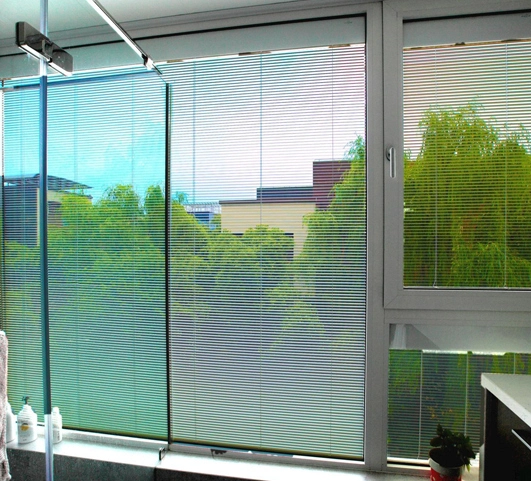
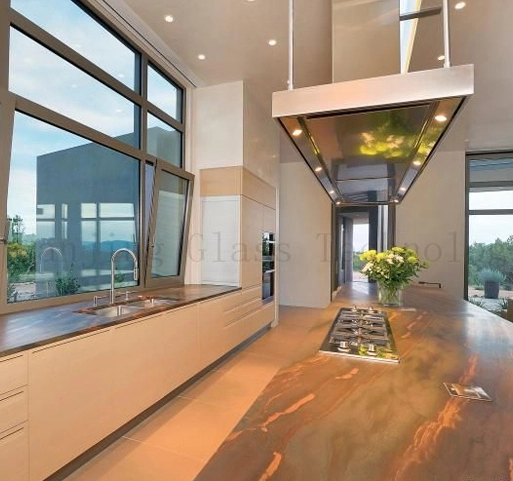

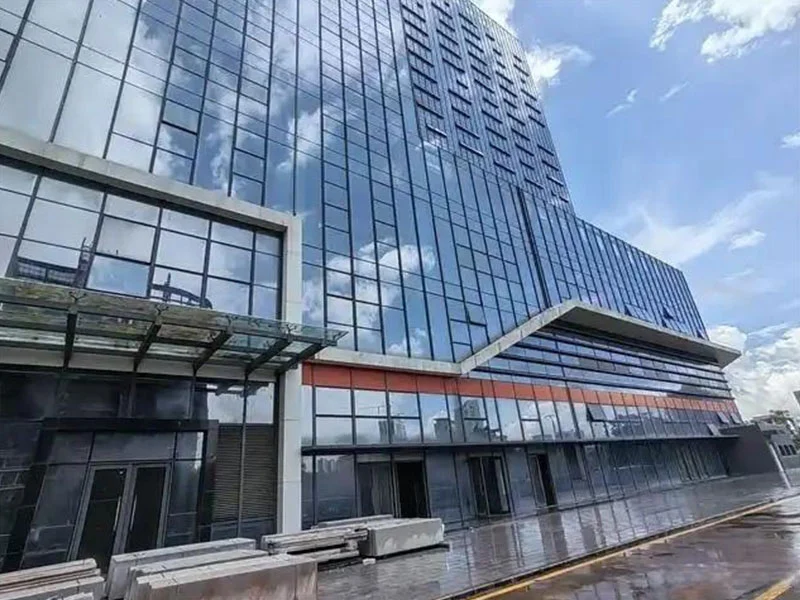
EVA laminated glass is transforming high-end interior design by enabling creatives to encapsulate decorative materials inside glass — without sacrificing safety, durability, or clarity. By using the EVA film laminated glass method, designers can integrate fabric, metal mesh, botanical elements, and other organic interlayers to create premium partitions, doors, wall panels, and feature installations that look bespoke while remaining practical for daily use.
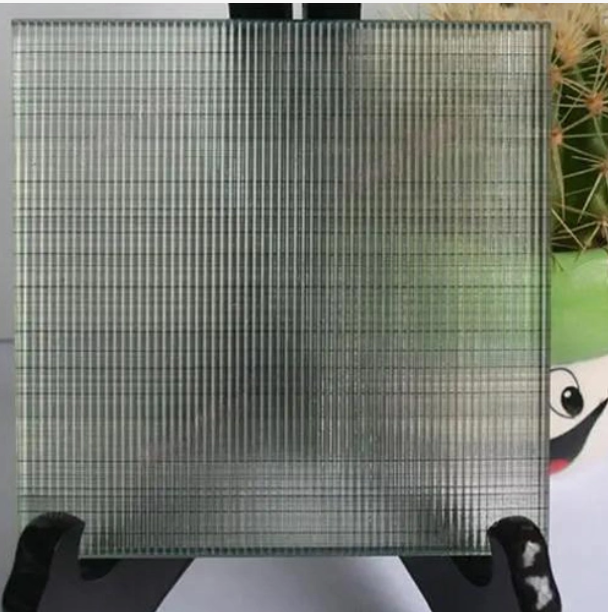
The most compelling design advantage of EVA laminated glass is the range of materials that can be permanently encapsulated between glass layers — creating surfaces that cannot be replicated by printing, etching, or surface coating.
Popular Interlayer Options
| Interlayer Type | Visual Effect | Typical Application |
|---|---|---|
| Linen / woven fabric | Warm texture, diffused light transmission | Residential partitions, spa interiors |
| Silk or sheer textile | Soft translucency, subtle pattern | Hotel rooms, dressing areas |
| Brass mesh | Warm metallic grid, reflective depth | Retail displays, hospitality lobbies |
| Stainless steel mesh | Cool industrial tone, geometric precision | Office partitions, stair balustrades |
| Geometric patterned mesh | Strong graphic character | Feature walls, elevator lobbies |
| Pressed botanicals / leaves | Organic, natural depth | Wellness spaces, bespoke residential |
| Handmade paper / fiber art | Artisan texture, unique grain | Gallery installations, private residences |
Why It Looks Premium
The visual effect goes beyond the interlayer itself. Depending on light direction — transmitted, reflected, or back-lit — the same panel can shift from near-opaque to translucent, revealing layers of depth that flat glass or printed films cannot produce. Backlighting with LED strips amplifies this effect dramatically, turning a partition into a glowing architectural feature.
Understanding the EVA film laminated glass process helps architects and procurement teams set realistic expectations for production timelines, sample approval, and quality consistency.
Production Workflow
| Stage | Key Action | Quality Control Point |
|---|---|---|
| Glass selection | Clear, ultra-clear, tinted, or textured glass chosen per design intent | Ultra-clear specified where color neutrality is critical |
| Cleaning and dust control | Both glass surfaces cleaned in controlled environment | Any contamination at this stage becomes permanent |
| Interlayer preparation | Fabric, mesh, or organic material dried, pre-treated, and cut to size | Moisture removal critical for organic materials |
| Layout and alignment | Interlayer positioned within glass sandwich; pattern repeat confirmed | Alignment verified against approved sample |
| EVA film placement | EVA film layers placed above and below interlayer | Film coverage confirmed — no gaps at edges |
| Lamination cycle | Assembly processed through autoclave or vacuum bag at controlled temperature and pressure | Temperature and dwell time logged |
| Edge finishing | Edges ground, polished, or seamed per specification | Sharp edges removed; edge seal applied where required |
| Final inspection | Visual check under controlled lighting | Bubbles, haze, alignment, and edge condition checked |
Why EVA Film Works for Decorative Inclusions
EVA (ethylene-vinyl acetate) film bonds directly to glass surfaces and flows slightly under heat and pressure, encapsulating irregular surfaces — fabric weave, mesh intersections, and leaf edges — more effectively than rigid PVB film. This makes it the preferred lamination medium when the interlayer has texture, thickness variation, or organic irregularity.
A complete specification submitted upfront reduces revision rounds, protects your project schedule, and ensures the golden sample matches the production output.
Specification Checklist
| Specification Field | Options | Notes |
|---|---|---|
| Glass thickness per ply | 4 mm, 5 mm, 6 mm, 8 mm common | 5+5 and 6+6 most common for partitions |
| Glass type | Clear / ultra-clear / tinted / acid-etched / textured | Ultra-clear minimizes green tint for neutral interlayer colors |
| Transparency level | Fully clear / semi-transparent / frosted | Frosted exterior with clear center window is a popular variant |
| Interlayer material | Fabric / metal mesh / organic / custom | Provide physical sample or specification sheet |
| Interlayer position | Centered / offset toward one face / framed window effect | Offset changes shadow and depth appearance |
| Edge finish | Flat grind / polished / beveled / seamed | Confirm before production; affects lead time |
| Panel size | Width × height in mm | Confirm maximum lamination size with supplier |
| Quantity | Pieces per specification | Affects pricing, sampling, and production scheduling |
| Performance requirement | Safety / sound / privacy / light transmission target | Declare if safety glass certification is required |
Sample Approval Workflow
Submit interlayer material sample first — confirm appearance, translucency, and color before committing to glass production. Request a physical golden sample at the specified size (typically 300×300 mm minimum) before approving full production. Document the approved sample with photographs and retain a reference piece with both parties.
Decorative laminated glass is more technically demanding than standard safety laminated glass because the interlayer adds variables that affect both process control and long-term durability.
Common Defects and Causes
| Defect | Root Cause | Prevention |
|---|---|---|
| Bubbles at interlayer surface | Moisture in fabric or organic material; insufficient vacuum | Pre-dry all inserts; extend vacuum dwell time |
| Edge delamination | EVA film not fully covering to edge; edge moisture ingress post-installation | Confirm full film coverage; apply edge seal after production |
| Haze or cloudiness | Dust contamination during assembly; EVA flow inconsistency | Clean-room handling; verify lamination temperature |
| Fabric wrinkling or movement | Insufficient pre-positioning; interlayer shifting during heat cycle | Fix interlayer position before film placement; use low-tack tape where appropriate |
| Metal mesh oxidation | Reactive metal exposed to moisture during or after lamination | Use pre-treated or coated mesh; full encapsulation confirmed before shipping |
| Organic material browning | Moisture retained in botanical material; UV exposure | Full drying protocol; specify UV-stable EVA film for sun-exposed applications |
Packaging and Shipping Protection
Decorative laminated glass panels require more careful packaging than standard glass because interlayer defects that develop during transit — from vibration, edge impact, or moisture exposure — are often not repairable.
Individual panel wrapping with PE film and corner foam
Vertical crating on A-frame or wooden rack
Edge-to-edge separation between panels in crate
Silica gel for moisture control in sealed crates for ocean freight
Handling instruction labels confirming orientation and fragility
Hospitality
Hotel lobbies, elevator cab interiors, restaurant partitions, and corridor feature walls are the highest-visibility applications for decorative EVA laminated glass. Metal mesh panels with warm backlighting create signature check-in walls that photograph well and reinforce brand identity. Fabric interlayers in spa and wellness areas add acoustic softening alongside visual texture.
High-End Residential
Wine room enclosures with botanical interlayers, stair balustrade panels with geometric mesh, and master suite partitions with silk fabric are among the most requested residential applications. The bespoke nature of the interlayer — no two organic inclusions are identical — makes each panel a genuinely unique object.
Retail
Brand storytelling panels, illuminated showcase backs, and fitting room partitions benefit from EVA laminated glass because the interlayer can be matched to brand color, texture language, or seasonal campaign materials. Fabric samples, logo-printed mesh, or brand-relevant botanicals can all be encapsulated.
Lighting Integration
EVA laminated glass pairs naturally with LED edge lighting and backlit panel systems. Key principles:
| Lighting Method | Effect | Best Interlayer Pairing |
|---|---|---|
| LED edge lighting | Glow travels through glass; interlayer diffuses and reveals texture | Fabric, organic materials |
| Backlit panel (LED behind glass) | Full illumination of interlayer from behind | Metal mesh, sheer fabric |
| Grazing light (angled spot) | Emphasizes surface texture and shadow depth | Woven fabric, embossed mesh |
Decorative interlayers are pushing glass beyond transparency into a true luxury surface material. With EVA laminated glass, designers achieve bespoke textures and layered visual depth that no surface coating or printed film can replicate. The EVA film laminated glass process protects and stabilizes even the most delicate organic and textile materials inside a permanent, durable glass structure — making it as practical as it is beautiful.
Q1: What is EVA laminated glass used for in interiors?
It is commonly used for partitions, feature walls, doors, stair balustrades, and decorative panels where both safety performance and visual design are required. The ability to encapsulate materials inside the glass makes it a preferred choice for bespoke luxury interior projects.
Q2: What is EVA film laminated glass and how is it different from PVB lamination?
EVA film laminated glass uses ethylene-vinyl acetate film to bond glass layers and encapsulate decorative interlayers. Compared to standard PVB lamination, EVA film flows more readily around irregular surfaces — fabric weave, mesh intersections, and organic edges — making it better suited to decorative inclusions that have texture or thickness variation.
Q3: Can you laminate real leaves or fabric inside EVA laminated glass?
Yes. Organic and textile materials can be encapsulated, but they require thorough drying and pre-treatment to remove moisture before lamination. Strict cleanliness during assembly is essential — any residual moisture or contamination becomes permanently visible inside the finished panel.
Q4: How do I avoid bubbles or haze in decorative laminated glass?
The main prevention measures are pre-drying all insert materials, clean-room handling during assembly, precise lamination temperature and vacuum parameters, and a rigorous sample-approval process before committing to full production. Requesting a physical golden sample at your specified size and interlayer combination is the most reliable way to confirm quality before the order runs.
Q5: What information should I provide for a custom EVA laminated glass quotation?
Panel dimensions, glass type and thickness per ply, edge finish, quantity, target application, interlayer material (with a physical sample or specification sheet if available), desired transparency level, backlighting requirements, and any safety certification or building code compliance requirements for the installation.