English
 日本語
日本語 한국어
한국어 français
 Deutsch
 Español
 italiano
 русский
 português
 Türkçe
 العربية
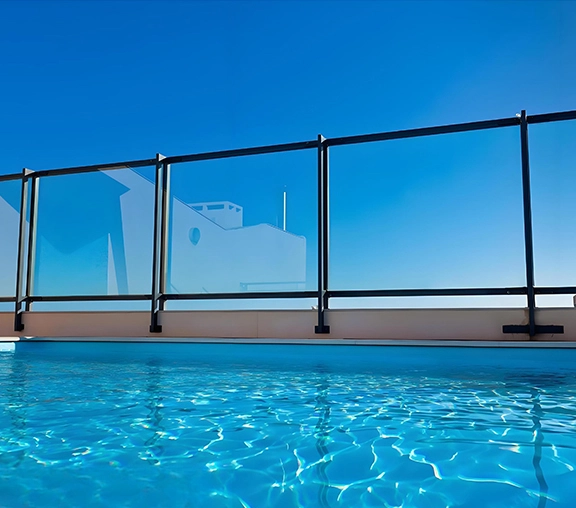
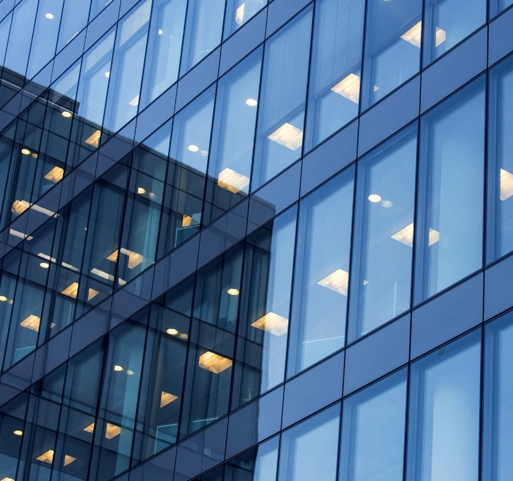
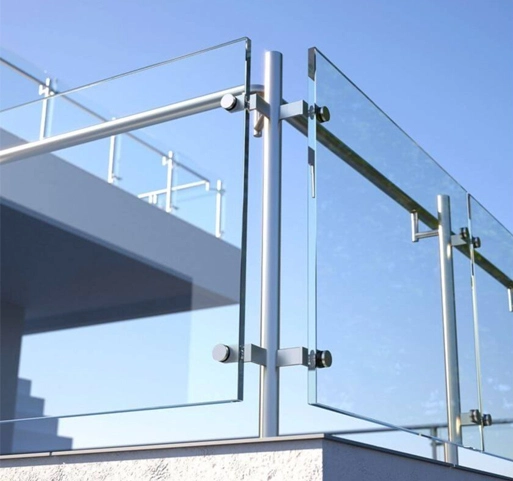
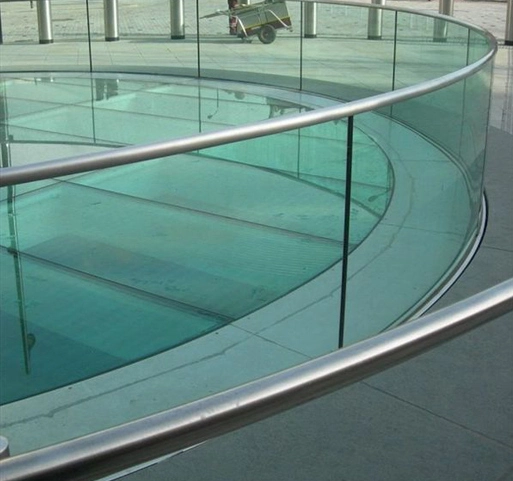
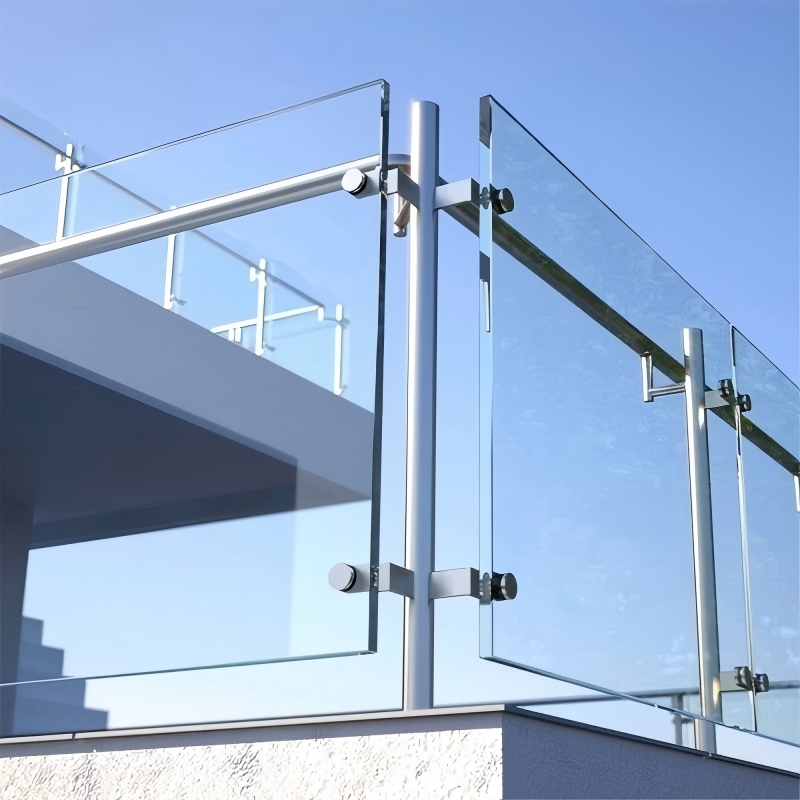
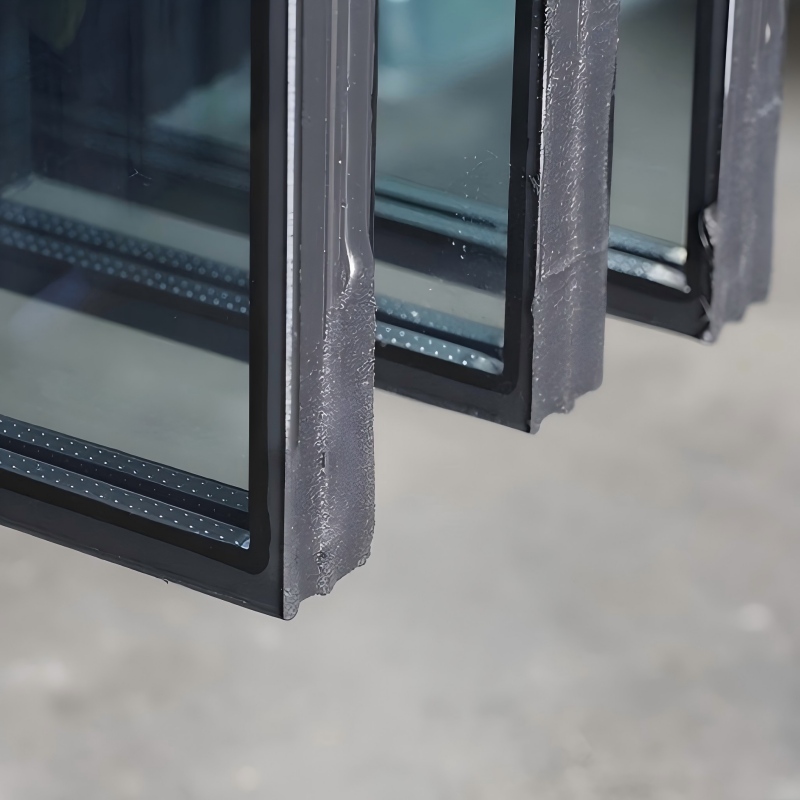
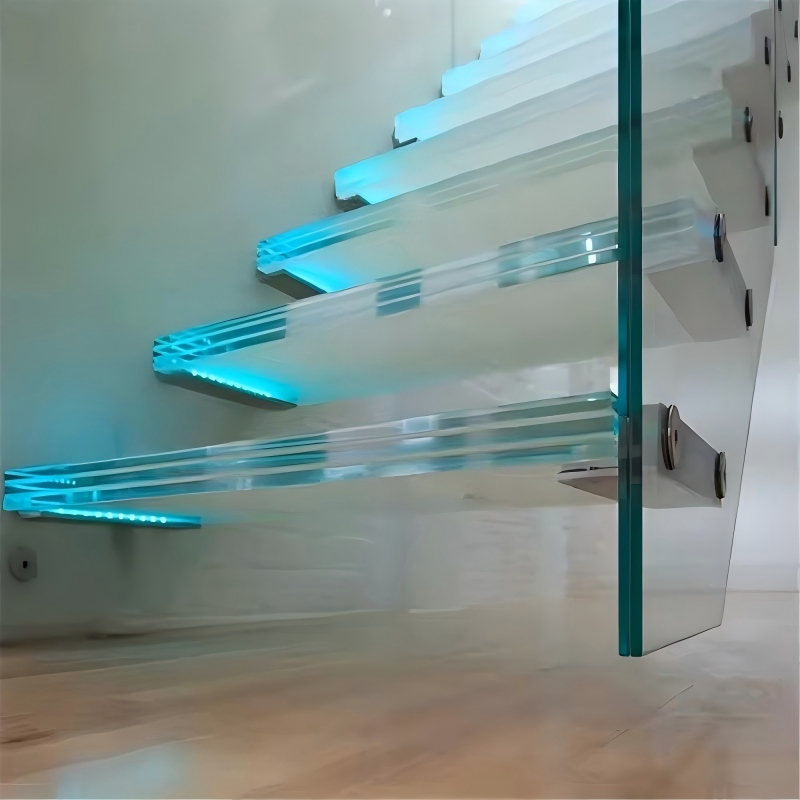
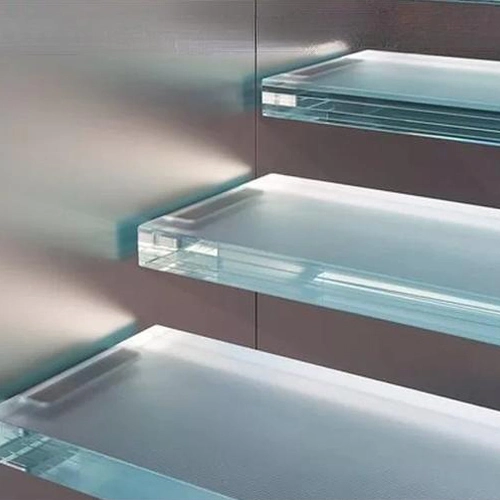
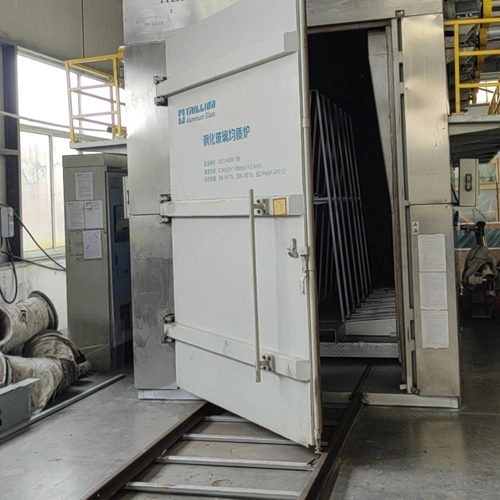
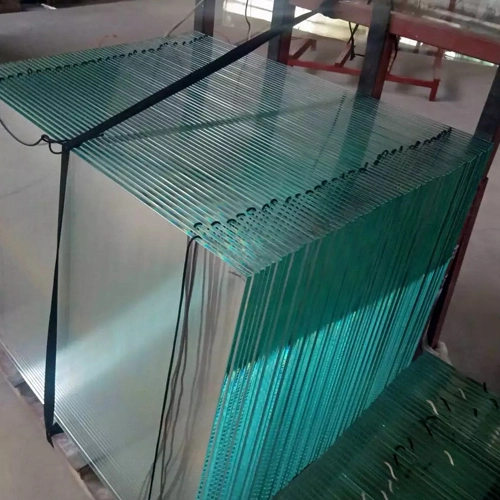
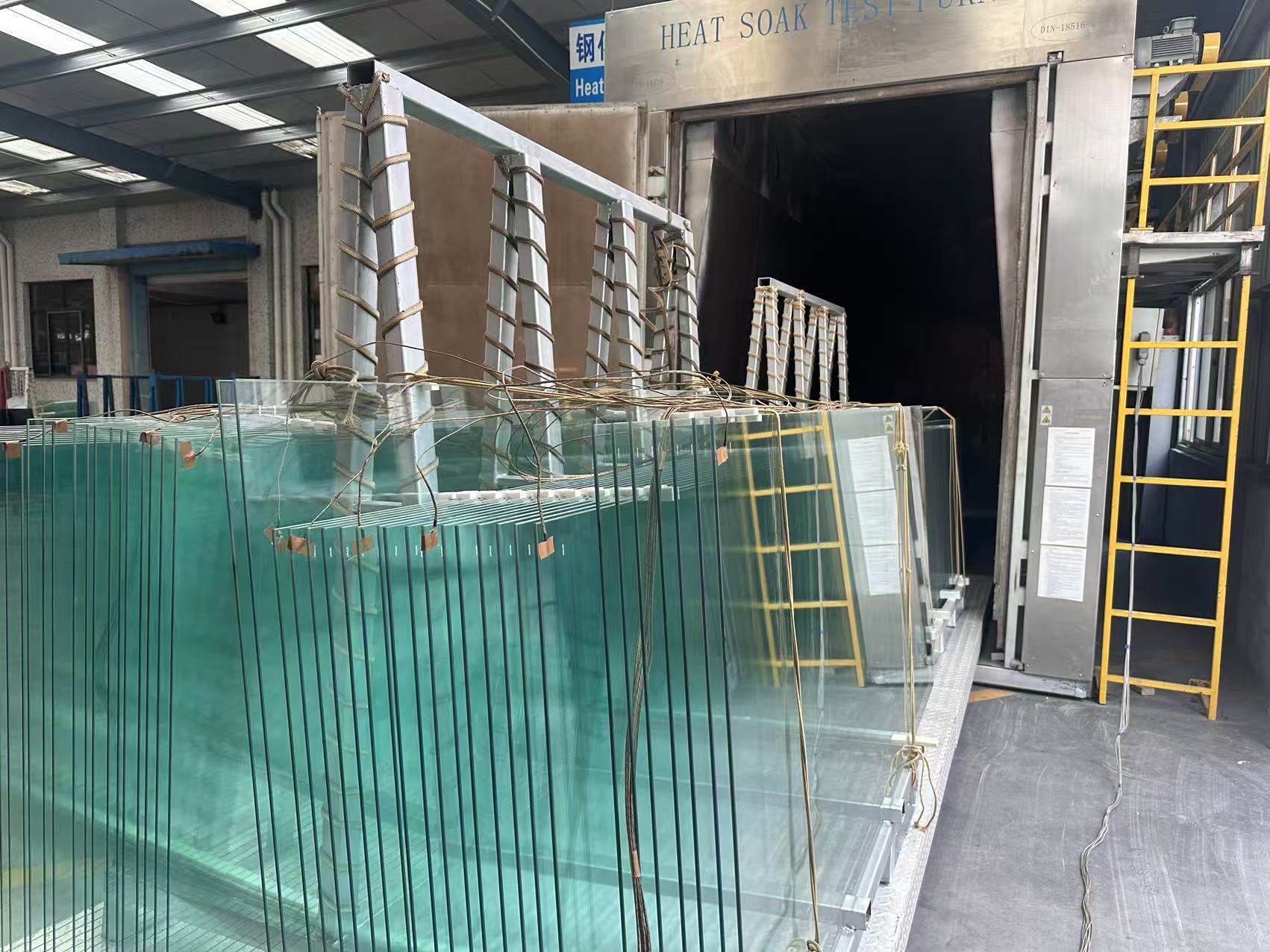
After tempered glass production, panels are reheated in a heat-soak furnace under a controlled cycle defined by the applicable standard and project requirement. The published temperature and holding-time values must match Lanjing's actual furnace records.This controlled process helps convert standard tempered glass into heat soak tempered glass (also called tempered heat soaked glass) by holding the material at elevated temperatures to reduce the risk of unexpected breakage in critical applications.
Heat soaking reduces but does not eliminate the risk of spontaneous breakage, and any numerical risk claim should be used only when supported by the applicable test standard, project specification and traceable production records.
As a leading heat soaked glass manufacturer and supplier, Lanjing utilizes advanced heat-soaked furnaces to deliver high-quality heat soaked glass processing solutions tailored to meet industry demands, including consistent quality control, traceable production, and dependable performance in architectural and commercial glazing.
Reduced Risk of Spontaneous Breakage: Heat soak tempered glass (also known as tempered heat soaked glass) is processed to help reduce the risk of spontaneous breakage. With proper heat-soak testing and quality control, the spontaneous breakage rate can drop to below .1–.3‰, making tempered heat soaked glass a more reliable option for safety-critical glazing.
Enhanced Safety: By significantly lowering the possibility of spontaneous breakage, heat soak tempered glass delivers a clear safety improvement for applications such as curtain walls, doors and windows, railings, and other areas where dependable performance and user safety matter.
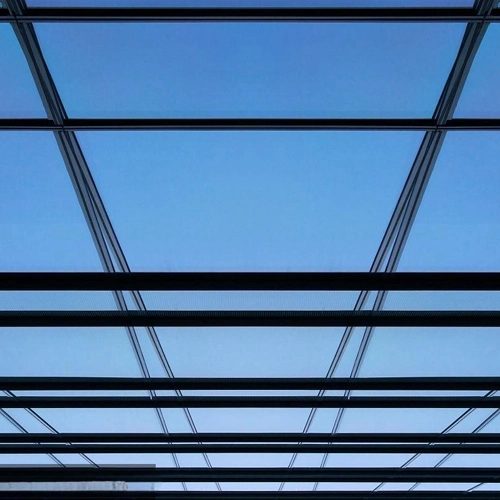
Construction field: Toughened heat soaked glass is mainly used for glass curtain walls, glass doors and windows, glass handrails, glass partitions, etc. For higher safety and post-breakage protection in overhead or high-traffic areas, heat soaked toughened laminated glass is also widely specified because the interlayer helps keep fragments bonded together.
Home appliance field: Home appliance field: Heat soaked toughened glass is commonly used in equipment such as televisions, microwaves, ovens, refrigerators, washing machines, etc. In these applications, heat soaked toughened glass supports stable performance under repeated heating/cooling cycles and daily use.
Automotive field: Heat soaked toughened glass is mainly use for components such as car windows, rearview mirrors, and headlights. In addition, heat soaked toughened laminated glass may be selected for applications requiring enhanced impact resistance and improved safety performance.
| Clear,Low Iorn,Tinted,Coated | |
| Glass Thcikness | Heat Soaked: 3-19mm |
| Glass Standard | EN12150, ANSI2208, ASTM C1048, GBT15763.4, GBT15763.2GBT17841, 5 years warranty |
| Glass Size | MIN 300*300MM, MAX 9500*3000MM |
| Monthly Output | 50,000SQM |
When choosing safety glazing for facades, balustrades, skylights, or curtain walls, it’s common to compare tempered glass with heat soaked glass. While both options are based on toughened (tempered) processing, the key difference is quality assurance: heat soaking adds an extra step designed to reduce the risk of spontaneous breakage in toughened glass.
At Lanjing, we help architects, contractors, and fabricators select the right safety glass for performance, compliance, and long-term reliability—whether you need standard tempered glass or tempered heat soaked glass for more demanding projects.
Tempered glass (also called toughened glass) is made by heating glass and rapidly cooling it to increase strength and change its break pattern. It is significantly stronger than annealed glass and, when broken, it crumbles into small granular fragments—making it a widely used safety glazing option.
Best for: interior partitions, doors, shower enclosures, furniture, and many general building applications.
Heat soaked glass is tempered glass that undergoes an additional “heat soak test” after tempering. This controlled reheating process is designed to trigger early failure in panes that contain nickel sulfide (NiS) inclusions—one of the known causes of rare but costly spontaneous breakage in toughened glass.
In practice, heat soak tempered glass is chosen when reducing in-service breakage risk is a priority, especially for high-elevation or high-liability installations.
Best for: curtain walls, canopies, skylights, railings, large façade panels, and projects where replacement is difficult or expensive.
1) Process
Tempered glass: tempered only
Tempered heat soaked glass: tempered + heat soak tested
2) Spontaneous Breakage Risk
Tempered glass: standard risk profile
Heat soaked glass: reduced risk due to screening during heat soaking
3) Typical Project Use
Tempered glass: common safety glazing for many applications
Heat soaked glass: preferred for critical exterior or overhead glazing
4) Cost & Lead Time
Tempered glass: generally lower cost and faster production
Heat soaked glass: additional testing step may increase cost/lead time
Choose tempered glass if you need a strong, code-compliant safety glass solution for standard applications.
Choose heat soaked glass (also known as heat soak tempered glass) if your project involves:
overhead or sloped glazing (e.g., skylights, canopies)
large-format façade panels
high-traffic public spaces
installations where breakage would be costly, risky, or difficult to replace
If you're specifying safety glass for demanding builds, tempered heat soaked glass can be a smart upgrade for added confidence.
As a specialized heat soaked glass supplier, Lanjing provides project-ready solutions for architectural glazing; buyers comparing heat soaked glass suppliers should request the applicable standard, batch identification, furnace-cycle record and release status. The glass makeup must also match the project's safety, support and post-breakage requirements.
Want help selecting the right glass makeup for your build? Contact Lanjing to source heat soak tempered glass tailored to your project requirements.
Heat soaked toughened laminated glass combines two separate design decisions: heat soaking screens fully tempered panes before assembly, while laminated glass is selected to retain fragments and meet the specified post-breakage behaviour.
Confirm whether both are required by the project specification, where each process applies in the glass makeup and which test or traceability documents must accompany delivery.
Pls leave a message if you have any inquiries or questions, thank you.
3500 Meters West of Yinjia Village, Juyuan Road, Wangcun Town, Zhoucun District,
Zibo City, Shandong Province, China