English
 日本語
日本語 한국어
한국어 français
 Deutsch
 Español
 italiano
 русский
 português
 Türkçe
 العربية
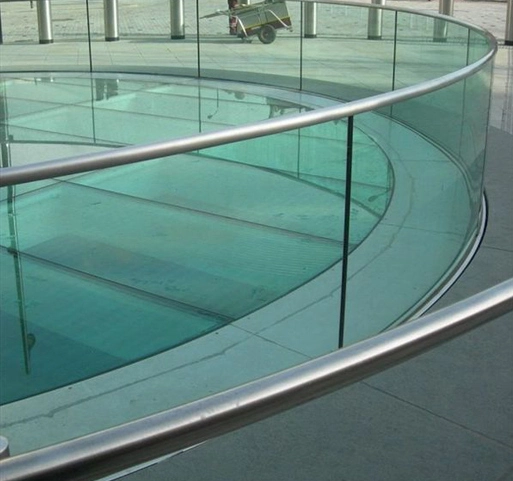
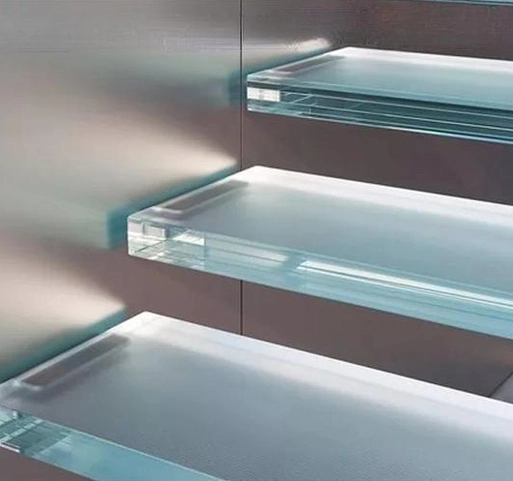
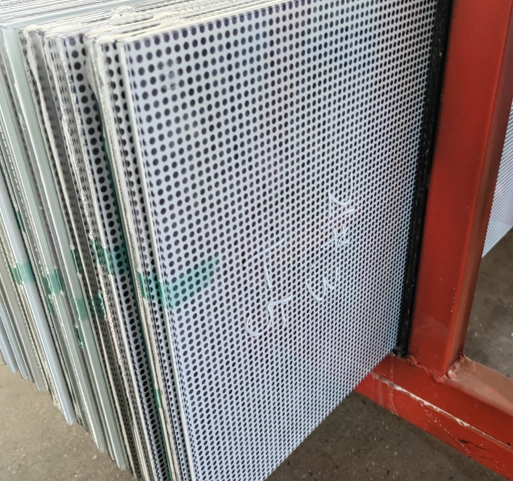
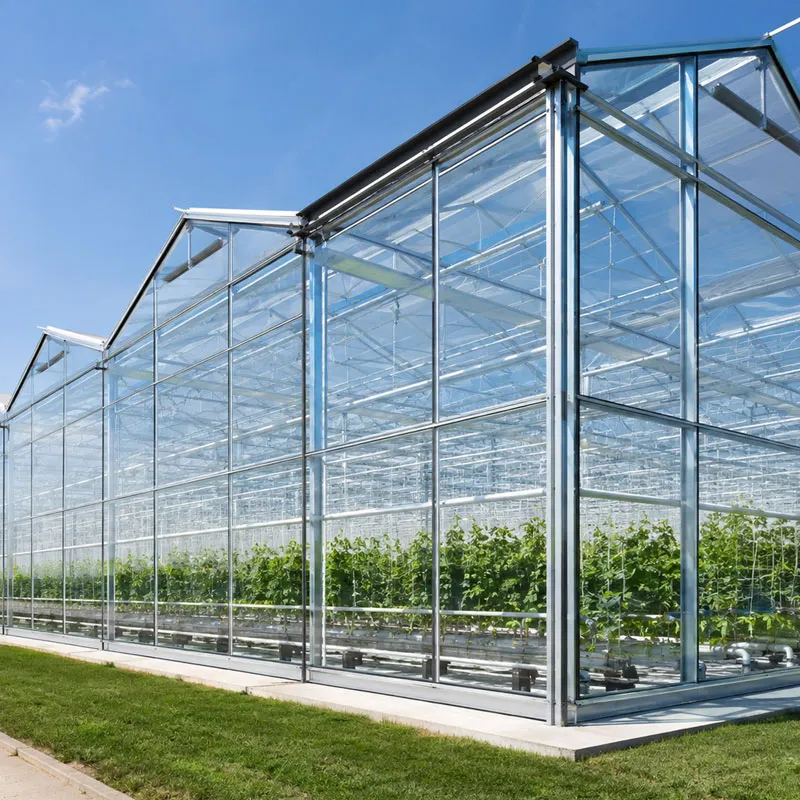
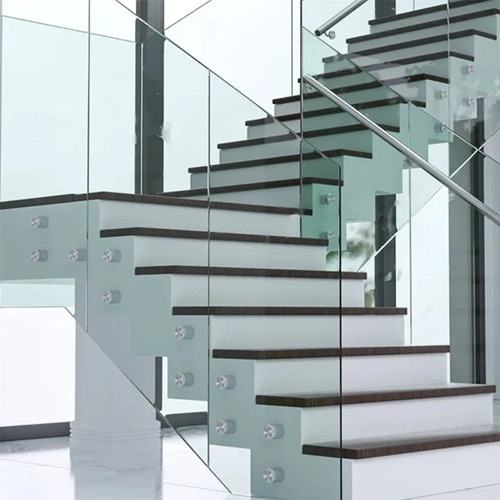
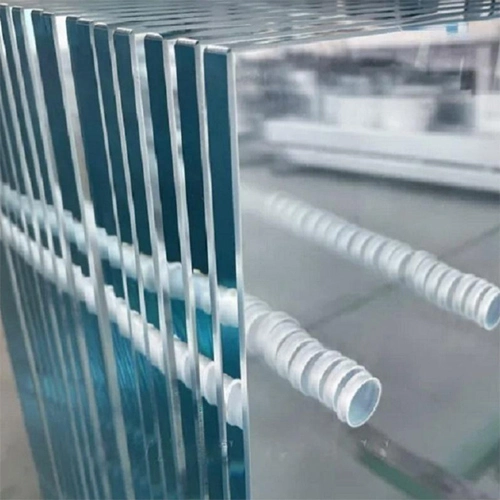
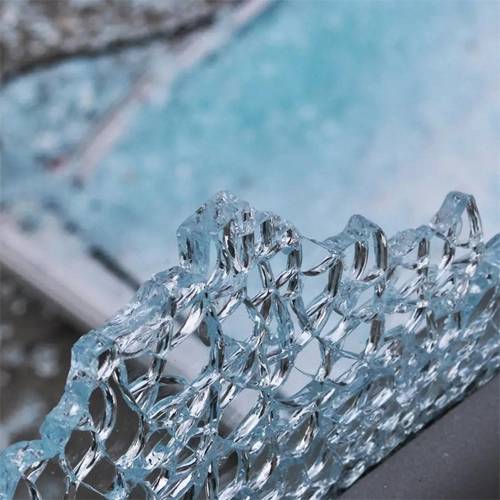
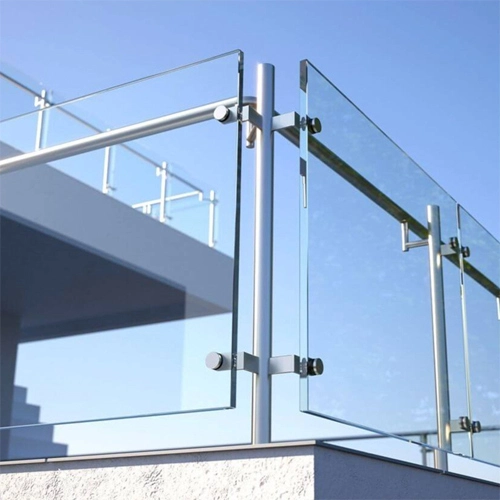
Tempered glass, also known as toughened glass, is a type of safety glass that the strength is higher and usually broken into small pieces when breaking and it is used widely for commercial constructions and residential buildings.
With 15+ years of manufacturing experience and internationally recognized certifications (CE, PAS-Mark, CCC), Lanjing specializes in producing high-performance tempered glass for architectural and custom applications where precision, compliance, and reliability are non-negotiable.
1. Strength: It has 3-5 times higher strength than float/annealed glass.
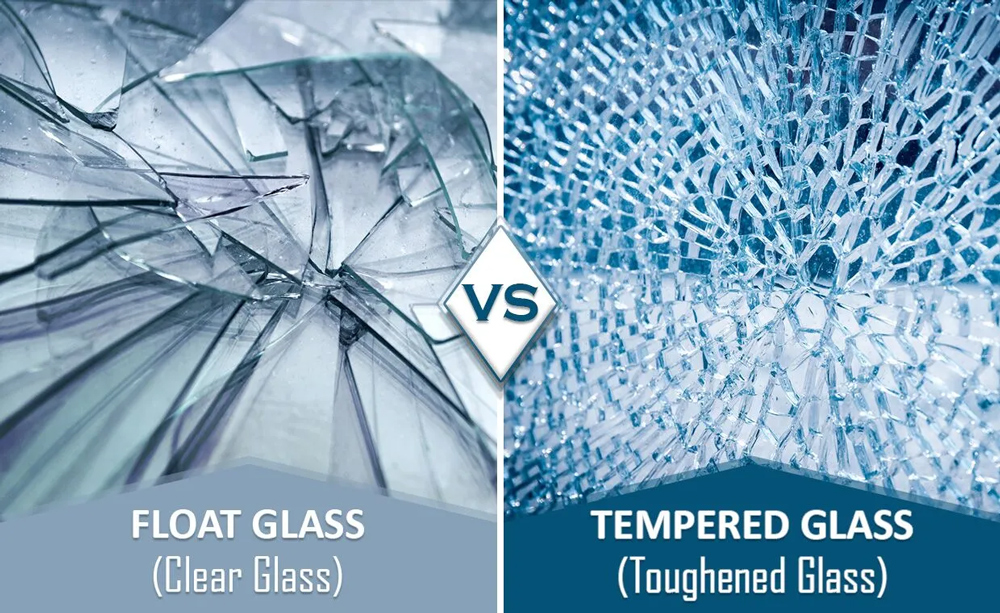
2. Safety: Tempered glass broken to small particle fragment after breaking.
3. Special functions: Printing paint before tempering will be Permanent.
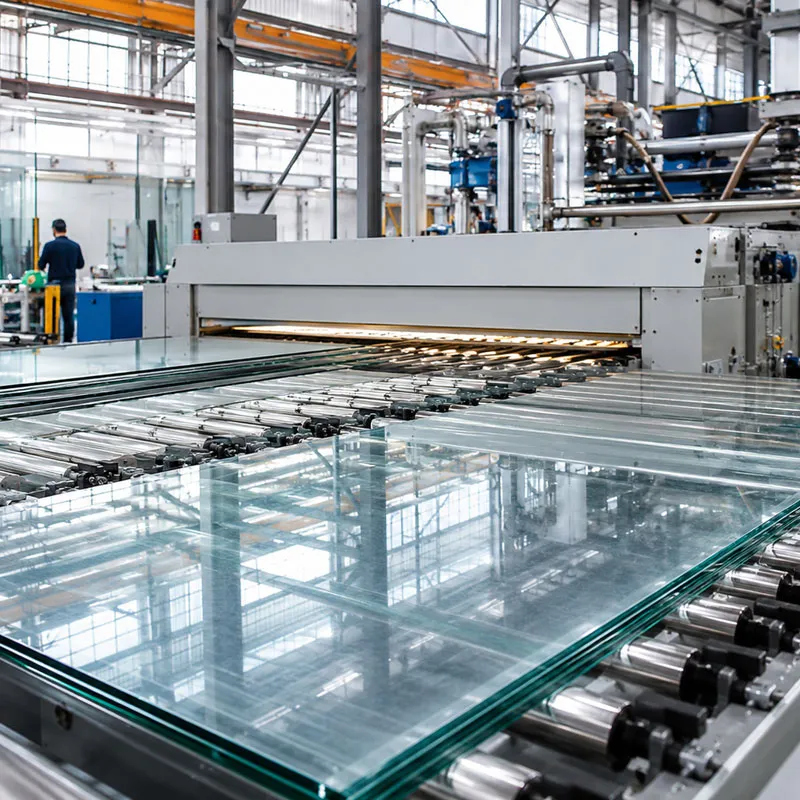
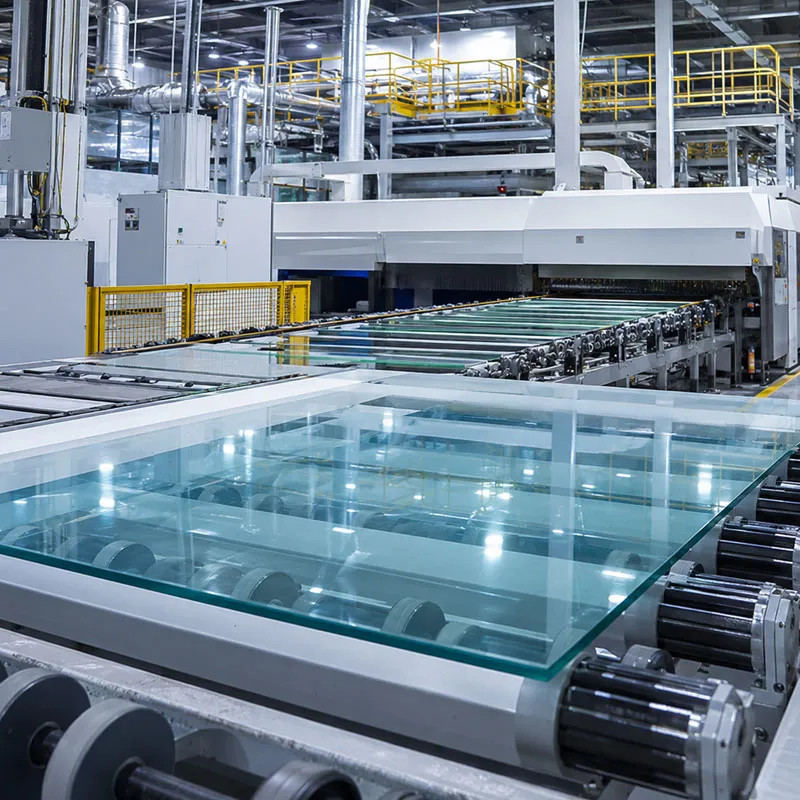
4. With Lanjing advanced tempering furnace, we have the ability to make the jumbo size tempering.
The max length can be 13000mm, height 3000mm.
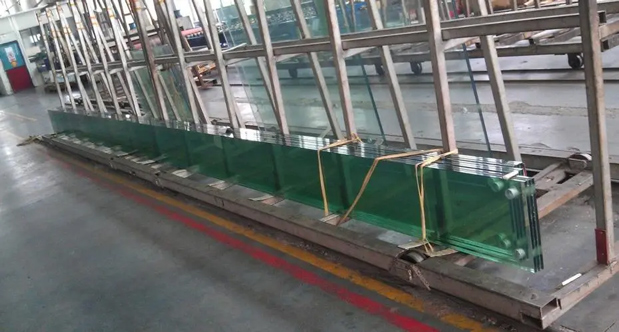
Jumbo length tempered glass
| Parameter | Tempered Glass | Annealed Glass |
| Cooling Process | Rapidly cooled (quenched) after the heating process. | Slowly cooled after the heating process. |
| Durability | More durable as it has a higher tensile strength and excellent weather resistance. | Relatively low due to low tensile strength. |
| Breakage Pattern | Leaves small, blunt fragments which helps reduce the risk of injury during or after breakage. | When broken, it leaves sharp fragments that increase the risk of injury. |
| Strength | Four to five times stronger than annealed glass | Weaker |
| Heat and Thermal Resistance | Higher as it does not crack or break even in sudden temperature changes. | Lower; thus, it may crack or shatter with sudden temperature changes. |
| Impact Resistance | High as it cannot break easily, reducing the chance of break-ins and intrusions. | Limited |
| Suitability | Safety-critical applications | Decorative elements and non-structural applications |
| Clear, Low Iorn, Tinted, Coated, Silk Screen, Digitally Printed | |
| Glass Thcikness | Tempered: 3-19mm, Heat Strenthened: 4-12mm |
| Glass Standard | EN12150, ANSI2208,ASTM C1048,GBT15763.4,GBT15763.2GBT17841, 5 years warranty |
| Glass Size | MIN 300*300MM, MAX 13000*3000MM |
| Monthly Output | 50,000SQM |
Tempered glass—also called toughened glass—is made through a controlled thermal process known as toughened glass by heat treatment. Unlike ordinary annealed glass, heat tempered glass is engineered for strength and safe failure.
Heating: The glass is heated uniformly to approximately 620°C–700°C (depending on thickness and composition).
Quenching: High-pressure air rapidly cools the surfaces in a process called quenching.
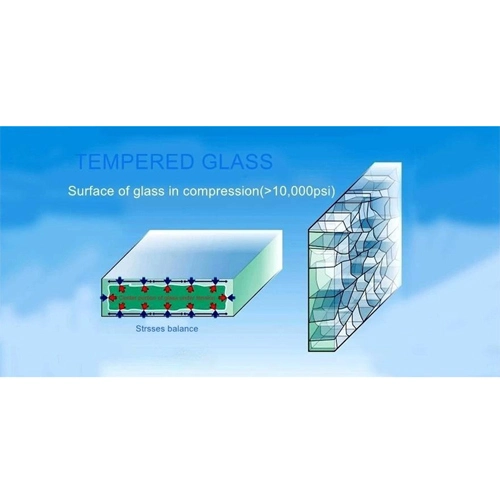
Stress profile formation: The surfaces lock into compression while the core goes into tension.
Tempering creates a “stress sandwich”:
Surface compression: often 10,000+ PSI (varies by thickness/process)
Internal tension: balanced inside the glass to maintain stability until failure
That surface compression is the reason heat tempered glass typically achieves 4–5× the strength of regular annealed glass under bending and impact conditions—an essential advantage for facades, doors, railings, and barriers.
The defining safety advantage of tempered glass is how it breaks.
Annealed glass: breaks into long, sharp shards that can cause severe injury.
Tempered glass: breaks into many small, blunt “pebble-like” pieces, dramatically reducing laceration risk.
This difference is central to most safety glass vs tempered comparisons: tempered glass is often selected because it fails safer, not because it never breaks.
For architectural projects, tempered glass is commonly produced and tested to meet major international requirements such as:
ASTM C1048
EN 12150
Working with a supplier who can document compliance helps avoid costly inspection failures and rework—especially for railings, curtain walls, doors, and public-facing installations.
A known risk in tempered glass is rare spontaneous breakage caused by nickel sulfide (NiS) inclusions. To mitigate this, Lanjing can apply Heat Soak Testing (HST)—a controlled re-heating process designed to trigger NiS-related failures before the glass ships, not after installation. In practice, HST is a strong risk-reduction step for critical facade and high-rise applications.
Tempered glass delivers both engineering performance and design freedom, which is why it appears across premium commercial and residential builds.
In mid- and high-rise construction, architectural tempered glass is widely used for:
Curtain wall systems
Facade glazing
Entrance systems
Canopies and overhead glazing assemblies (often in combination with laminated builds where code requires)
Its strength and thermal shock resistance support larger panel sizes, cleaner sightlines, and improved reliability under wind load and temperature swings.
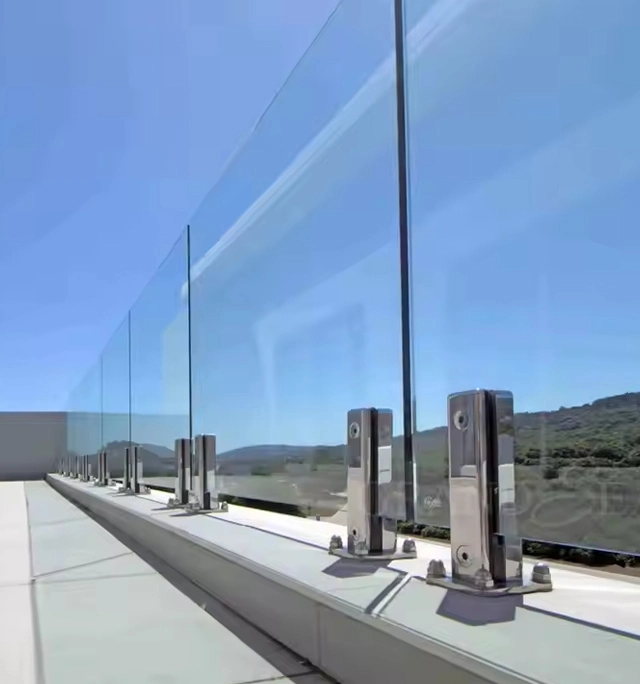
Homeowners and developers increasingly choose a tempered glass fence for:
Pool enclosures (clear visibility with code-oriented safety)
Balconies and terraces (minimalist “floating” aesthetics)
Garden partitions and windbreaks
The result is a high-end look without sacrificing the safety behavior expected from modern barrier systems.
A critical rule for every project manager and fabricator:
Custom tempered glass must be cut, drilled, notched, edge-polished, and processed before tempering.
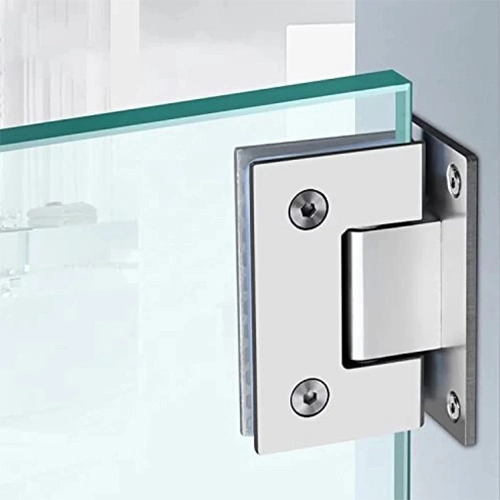
Once glass is tempered, attempting to cut or drill it will almost always cause immediate failure. This is why accurate shop drawings, hardware coordination, and CNC precision matter so much in custom tempered glass orders.
If you’re searching for tempered glass for sale, what you're really buying is consistency: flatness, optical clarity, edge quality, documentation, and predictable lead times. Not all toughened glass suppliers are equal—and the differences show up during installation.
Look for suppliers who can demonstrate:
Advanced tempering equipment (for uniform heating and stable quenching)
CNC processing capacity (for accurate holes, notches, and edgework)
Process controls to reduce distortion and anisotropy visibility
Lanjing's production setup includes double chamber tempering furnaces and CNC processing centers to support better geometry control and cleaner optical results—especially valuable for large-format architectural panels and railing glass.
For commercial buyers sourcing tempered glass for sale internationally, logistics isn't a detail—it's risk management. A qualified tempered glass supplier should offer:
Export-ready packaging (anti-scratch interleaving, edge protection, reinforced crates)
Load planning for breakage prevention
Experience shipping to markets such as Canada, Australia, and the Middle East
Before placing an order, ask every supplier (including short-listed toughened glass suppliers) for:
CE documentation (when applicable to your market)
PAS-Mark (where project specifications require it)
CCC (for China market compliance, where relevant)
Quality management evidence (e.g., ISO-based systems, inspection records, traceability)
Certifications don't replace good manufacturing—but they help validate the supplier’s ability to produce glass that aligns with code and project specifications.
Pls leave a message if you have any inquiries or questions, thank you.
3500 Meters West of Yinjia Village, Juyuan Road, Wangcun Town, Zhoucun District,
Zibo City, Shandong Province, China