English
 日本語
日本語 한국어
한국어 français
 Deutsch
 Español
 italiano
 русский
 português
 Türkçe
 العربية
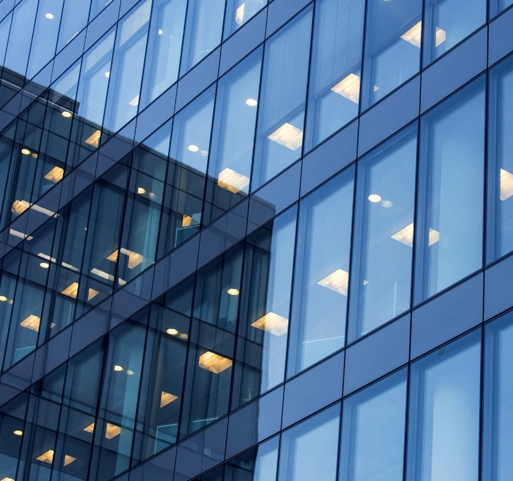
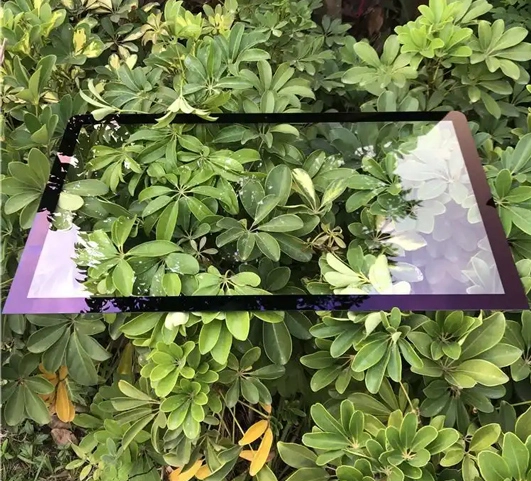

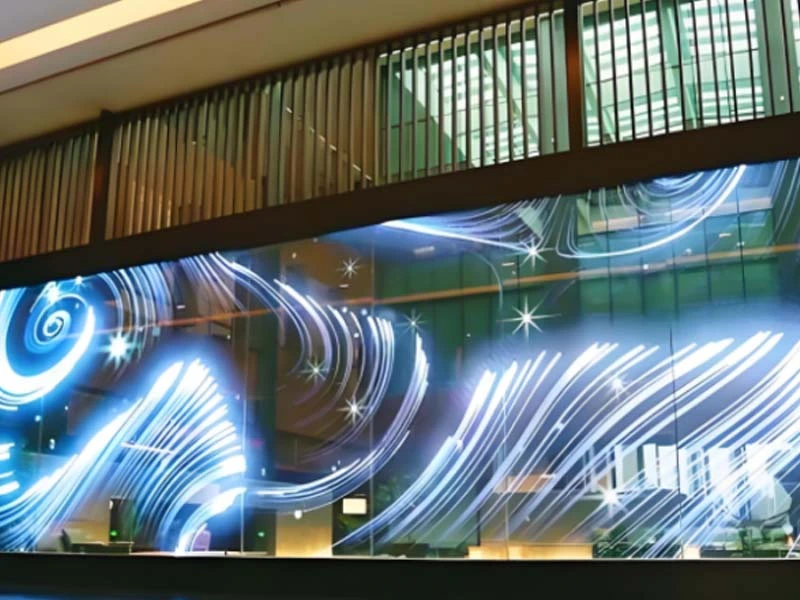
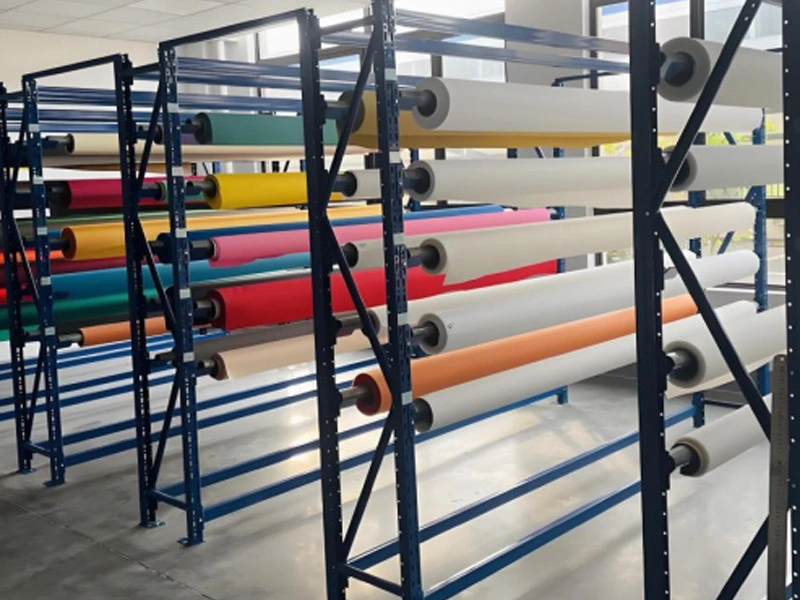
As modern architecture in 2026 gravitates towards open-edge glass designs—frameless façades, sleek balustrades, and hovering canopies—material selection has become critical. The durability, clarity, and long-term performance of laminated glass are under the microscope, and for good reasons. Delamination is the industry's Achilles’ heel, threatening structural integrity and aesthetic quality.
When comparing EVA laminated glass to traditional PVB interlayers, the choice becomes clear. EVA (Ethylene Vinyl Acetate) emerges as the engineered solution for demanding architectural applications, offering a waterproof, durable, and visually superior alternative. Let’s explore why EVA film is the modern industry's benchmark for open-edge and high-moisture installations.
Polyvinyl Butyral (PVB)—a historic favorite for laminated glass—has a critical flaw: it’s hydrophilic, meaning it absorbs water. When exposed to humidity or rain over time, especially along open-edge installations, PVB behaves like a sponge, trapping moisture. This absorption causes what experts call the "Cloudy Border" effect: the glass edges turn milky and warped, signaling delamination and compromising both strength and clarity.
In real-world architectural applications such as outdoor railings or frameless canopies, PVB’s water-loving nature introduces a significant risk of failure. Building owners now demand long-lasting solutions with a warranty for maintained clarity and stability—criteria that PVB struggles to meet.
Pro Tip for Architects: Avoid labor-intensive edge-sealing tapes or complicated encapsulation layers. Opting for EVA laminated glass eliminates this extra layer of complexity while ensuring unmatched clarity and edge integrity.
Unlike PVB, EVA film laminated glass leans on its thermoset polymer properties. During the lamination process, EVA undergoes a chemical transformation called cross-linking, creating a durable, 3D molecular structure. This process locks the EVA in place and permanently resists water penetration, making it hydrophobic (water-repellent).
Key factors contributing to EVA's long-term durability include:
Low Water Vapor Transmission Rate (WVTR): EVA acts as an exceptional barrier against moisture.
Thermoset Nature: The cross-linked structure retains its chemical stability, even under high heat or humidity.
No Additional Coatings Required: Where PVB often necessitates edge sealing, EVA provides intrinsic protection.
By transitioning to EVA laminated glass, project managers can ensure peace of mind, knowing that their architectural installations are equipped to withstand environmental challenges for years to come.
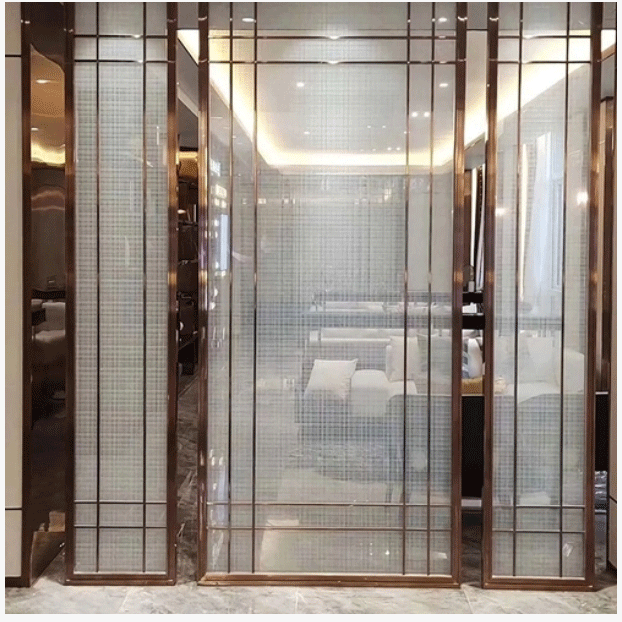
Choosing the right interlayer for laminated glass isn’t only about upfront costs; it’s about ensuring performance across the glass’s lifecycle. Below, we present a performance comparison between EVA and PVB, tailored to 2026 industry expectations:
| Feature | EVA | PVB |
| Adhesion Strength | High (non-porous materials) | Low |
| Moisture Resistance | Excellent | Poor (hydrophilic) |
| Storage Requirements | No humidity control needed | Requires strict climate control |
| Open-Edge Reliability | No delamination risk | High risk |
| UV Stability | Superior | Moderate (can yellow/fade) |
| Acoustic Insulation | Excellent (high-damping EVA) | Good |
Take note of the distinct advantage EVA offers for weather-exposed, open-edge applications. Its hydrophobic and UV-stable characteristics lead to long-lasting installations that maintain both structural integrity and aesthetic beauty.
While moisture management is critical, visual clarity and UV resistance are equally important for architectural glass. Lanjing Glass Tech’s EVA laminated interlayers shine in this category too.
Low Yellowness Index (YI): Unlike cheaper alternatives, Lanjing's EVA film resists discoloration, even in prolonged, high-sunlight environments. By preserving the transparency and quality of glass, EVA prevents installations from looking aged or degraded over time.
Superior UV Blocking: Lanjing EVA interlayers can integrate seamlessly with advanced PET functional films, protecting occupants from harmful UV radiation while delivering energy efficiency—a must-have for 2026′s sustainability-focused buildings.
While PVB interlayers may initially appear less expensive, the hidden costs quickly add up:
Replacement Costs Due to Delamination: Replacing panes in frameless canopies or glass façades is an expensive hassle, often requiring specialized equipment.
Maintenance Savings: EVA laminated glass eliminates the need for edge-protection strategies like adhesives or tapes, which are often required in PVB projects.
Durability Wins: With a tested lifespan exceeding 10 years of clarity and structural integrity, EVA outlasts traditional PVB, making it the smarter investment for long-term savings.
Additionally, EVA offers better supply chain advantages: its storage doesn’t require strict climate-controlled environments, unlike PVB, which degrades when exposed to moisture or heat during storage and handling.
Case Study: Contractors using Lanjing Glass Tech’s EVA laminated glass reported a 20% reduction in project delays related to material handling and 50% fewer warranty-related claims for delamination.
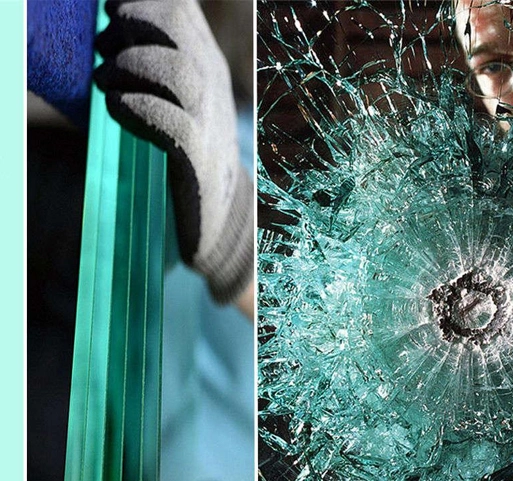
Yes, it can. The growing range of extra-stiff EVA variants offers higher shear modulus and strength, making it suitable for structural safety glazing in hurricane-prone areas. Compared to PVB, extra-stiff EVA provides superior resistance to impact forces and harsh weather conditions, meeting or surpassing stringent codes like ANSI Z97.1.
As architectural design embraces minimalist aesthetics and frameless, open-edge glass installations, the material between the panes becomes the silent hero. In a battle of performance, clarity, and durability, EVA laminated glass is the clear winner over PVB, especially in moisture-prone environments.
When you choose to work with Lanjing Glass Tech’s EVA interlayer film, you're investing in superior protection, unparalleled clarity, and a product that stands the test of time and weather.