English
 日本語
日本語 한국어
한국어 français
 Deutsch
 Español
 italiano
 русский
 português
 Türkçe
 العربية




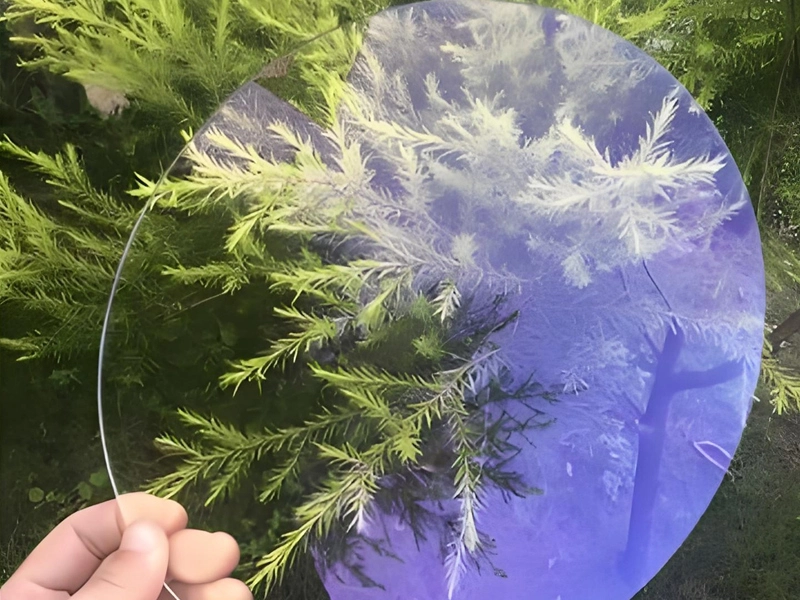
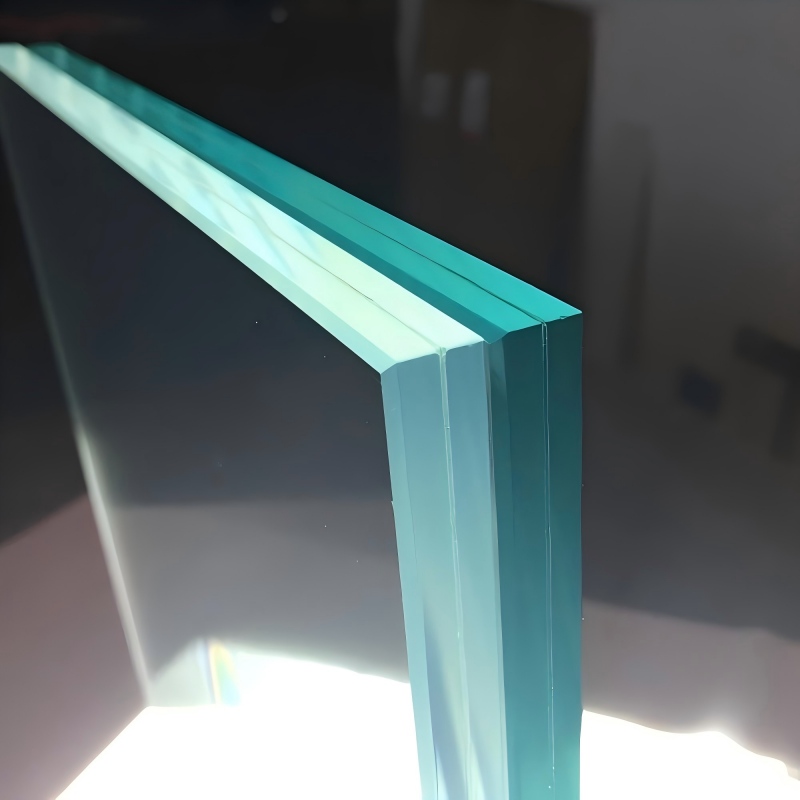
Purchasing PVB laminated glass requires more than confirming product specifications and price. Before shipment, buyers should verify whether the glass meets requirements for safety, appearance, structural performance, and long-term durability.
For international architectural projects, quality problems discovered after delivery can lead to significant costs, including installation delays, replacement expenses, and project schedule risks.
A professional quality control process should evaluate the entire production chain, including raw glass inspection, PVB interlayer quality, lamination process control, edge processing, final appearance inspection, and packaging protection.
For contractors, distributors, and project owners, understanding what to check before shipment helps ensure that the delivered laminated glass performs as expected after installation.
PVB laminated glass is a composite product consisting of multiple layers bonded together under controlled temperature and pressure.
Its performance depends on the interaction between:
Glass quality
PVB interlayer properties
Lamination process
Edge processing
Storage conditions
Transportation protection
Unlike single-layer glass, laminated glass contains multiple components, meaning quality issues can occur at different stages.
Common problems include:
Air bubbles inside the laminate
Delamination
Uneven bonding
Scratches on glass surfaces
Incorrect dimensions
Edge damage
A strict inspection process helps identify these issues before products leave the factory.
Before shipment approval, buyers should conduct inspections covering several key areas.
A complete quality inspection usually includes:
| Inspection Category | Main Items Checked |
|---|---|
| Glass appearance | Scratches, cracks, stains, defects |
| Dimensions | Length, width, thickness tolerance |
| Lamination quality | Bonding, bubbles, delamination |
| Edge quality | Cutting and polishing condition |
| Performance documents | Certificates and test reports |
| Packaging | Protection during transportation |
Each inspection step helps reduce potential risks during installation.
Visual inspection is the first step in quality control.
The glass surface should be checked under suitable lighting conditions to identify:
Scratches
Chips
Surface contamination
Foreign particles
Optical distortion
For architectural applications, appearance quality is especially important because glass façades directly influence building aesthetics.
Common inspection points include:
| Defect Type | Possible Impact |
|---|---|
| Surface scratches | Reduced appearance quality |
| Edge chips | Potential safety concerns |
| Dirt inclusion | Visual defects |
| Uneven surface | Optical distortion |
Professional suppliers should have inspection procedures to ensure consistent appearance standards.
The PVB interlayer is the key component that provides bonding, safety, and additional performance benefits.
During inspection, buyers should verify:
Common PVB thickness options include:
| PVB Thickness | Typical Application |
|---|---|
| 0.38 mm | Basic safety glazing |
| 0.76 mm | Standard architectural applications |
| 1.14 mm | Enhanced safety requirements |
| 1.52 mm+ | Security and specialty applications |
The correct thickness depends on project requirements.
The PVB layer should have:
Consistent thickness
Proper bonding
No visible defects
Uneven interlayer distribution may affect:
Appearance
Structural performance
Long-term durability
Understanding common defects helps buyers perform effective inspections.
Small bubbles may appear between glass layers due to:
Improper lamination conditions
Moisture contamination
Process control problems
Large or visible bubbles can affect both appearance and performance.
Delamination occurs when the glass and PVB interlayer lose adhesion.
Possible causes include:
Poor manufacturing control
Moisture exposure
Incorrect storage conditions
Delamination can reduce safety performance and product lifespan.
Glass edges require careful processing because damage may affect durability.
Common issues include:
Chips
Cracks
Poor polishing
Uneven edges
Dimensional accuracy is critical for architectural installation.
Before shipment, buyers should confirm:
Length
Width
Thickness
Shape accuracy
Hole position (if required)
Typical inspection items:
| Parameter | Inspection Method |
|---|---|
| Thickness | Measuring equipment |
| Dimensions | Precision measurement tools |
| Flatness | Visual and technical inspection |
| Edge processing | Physical inspection |
Incorrect dimensions may cause:
Installation difficulties
Structural issues
Additional processing costs
Professional glass suppliers should provide technical documentation before shipment.
Important documents include:
Product specification sheets
Quality inspection reports
Test certificates
Compliance documents
Packing lists
Depending on the market and project requirements, buyers may also request certification related to:
Safety glazing standards
Building regulations
Performance testing
Documentation helps buyers verify that products meet project specifications.
Packaging quality is often overlooked but is essential for international transportation.
PVB laminated glass requires proper protection because damage during shipping can create significant losses.
Buyers should check:
Including:
Strong crates
Protective separators
Moisture protection
Edge protection
Important considerations:
Stable positioning
Proper support
Prevention of movement during transport
Confirm:
Quantity accuracy
Label information
Handling instructions
A reliable supplier should treat packaging as part of the product quality process.
Both laminated glass and tempered glass require strict quality control, but inspection focuses on different characteristics.
tempered glass focuses mainly on:
Heat treatment quality
Strength performance
Fragmentation characteristics
laminated glass focuses on:
Interlayer bonding
Optical quality
Safety performance
Layer consistency
Many architectural projects combine both technologies to achieve enhanced safety and durability.
Lanjing Glass Technology applies systematic quality control procedures throughout the production process.
Quality management includes:
Incoming glass inspection
PVB material verification
Lamination process monitoring
Surface inspection
Dimensional checking
Packaging protection
For customers purchasing PVB laminated glass, Lanjing provides professional support from specification confirmation to final shipment preparation.
The company focuses on delivering laminated glass solutions with consistent performance, reliable quality, and project-oriented customization.
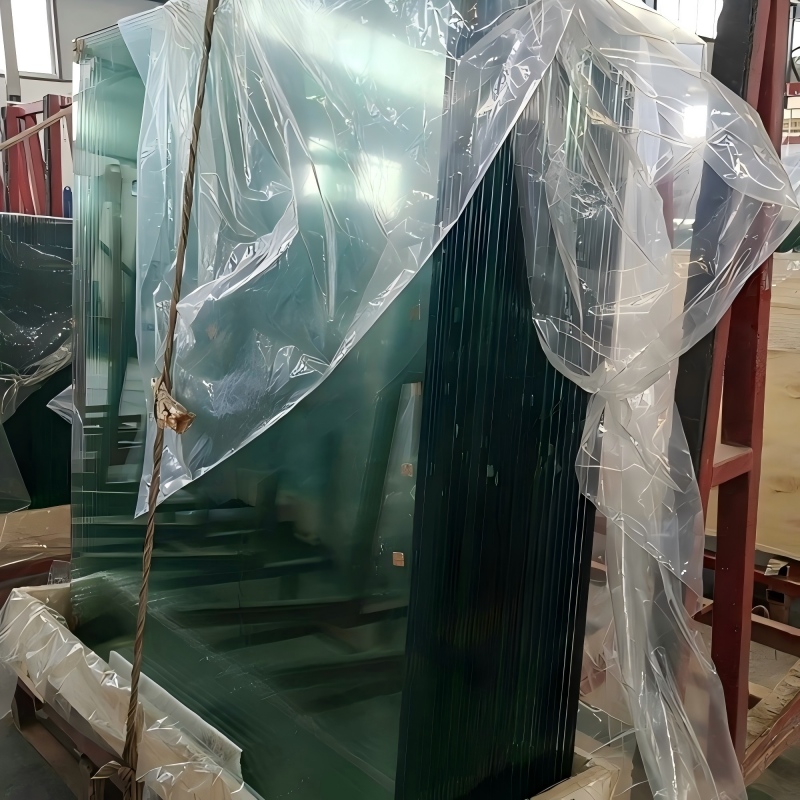
Before approving a shipment, buyers should use a structured inspection checklist to confirm that the delivered products match the purchase agreement and technical requirements.
A complete pre-shipment inspection should include the following areas:
| Inspection Item | What Buyers Should Verify |
|---|---|
| Product specification | Glass type, thickness, size, PVB thickness |
| Appearance | Surface defects, bubbles, scratches, contamination |
| Lamination quality | Bonding condition, delamination risk |
| Edge processing | Cutting accuracy, polishing quality |
| Quantity | Number of pieces and packing list accuracy |
| Documentation | Certificates, inspection reports, test records |
| Packaging | Crate condition and transportation protection |
This inspection process helps prevent quality disputes after delivery.
The lamination process directly affects the safety performance and service life of PVB laminated glass.
During inspection, buyers should focus on several areas.
The glass and PVB layers should demonstrate uniform adhesion.
Potential problems include:
Weak bonding areas
Visible separation
Uneven interlayer contact
Poor bonding quality may reduce the ability of the glass to maintain integrity after breakage.
Small defects inside laminated glass can affect appearance.
Inspection should identify:
Air bubbles
Cloudiness
Foreign particles
Uneven transparency
For high-end architectural projects, optical quality requirements are usually stricter because large glass panels are viewed from close distances.
The glass edge is particularly important because moisture penetration can affect long-term durability.
Buyers should check:
Edge cracks
Chipping
PVB exposure
Uneven finishing
Proper edge processing improves handling safety and installation reliability.
PVB laminated glass used in architecture is commonly evaluated according to international standards.
Important standards include:
| Standard | Application |
|---|---|
| EN 14449 | Laminated glass product conformity |
| ASTM C1172 | Architectural laminated flat glass requirements |
| ANSI Z97.1 | Safety glazing performance |
| CPSC 16 CFR 1201 | Safety glazing requirements in the United States |
The applicable standard depends on:
Project location
Building regulations
Application requirements
Safety level
Buyers should confirm required standards before production begins.
Choosing the right supplier is as important as selecting the correct glass specification.
A professional supplier should demonstrate:
Review:
Production equipment
Lamination technology
Processing capacity
Quality management procedures
A capable supplier should help customers determine:
Glass thickness
PVB type
Structural requirements
Application suitability
Reliable suppliers should provide:
Production information
Inspection records
Technical documents
Product traceability
Transparent quality control reduces risks in international purchasing.
International glass purchasing involves additional considerations beyond product quality.
Large glass panels require careful logistics planning.
Important factors include:
Export packaging
Container loading methods
Moisture protection
Shock prevention
Buyers should confirm:
Production schedule
Inspection timing
Shipping arrangement
Delivery expectations
Early communication helps avoid project delays.
Many architectural projects require customized glass configurations.
Examples include:
Oversized panels
Special shapes
Colored PVB
Acoustic PVB
Security applications
A supplier with customization capability can better support complex projects.
Quality differences are often reflected in manufacturing consistency.
| Quality Aspect | High-Quality Product | Poor Quality Product |
|---|---|---|
| Surface appearance | Clear and uniform | Scratches or contamination |
| Lamination | Strong and consistent bonding | Bubble or delamination issues |
| Dimensions | Accurate tolerance control | Installation problems |
| Edges | Smooth and properly processed | Chips and cracks |
| Documentation | Complete records | Missing certificates |
For construction projects, consistent quality is more valuable than simply choosing the lowest purchase price.
A reliable purchasing strategy includes several steps:
Before production, define:
Glass composition
Thickness
PVB specification
Size tolerance
Performance requirements
For large projects, sample approval helps confirm:
Appearance
Color
Optical performance
Processing quality
For important projects, buyers may arrange inspection before shipment.
Inspection can include:
Production monitoring
Random product checking
Packaging verification
Continuous communication helps address:
Design changes
Delivery requirements
Quality expectations
Buyers should check for:
Air bubbles
Delamination
Scratches
Foreign particles
Edge damage
Dimension errors
These defects may affect appearance, safety, or installation performance.
Good bonding quality is indicated by uniform adhesion between glass and PVB layers, clear appearance, and absence of separation or visible defects.
Professional suppliers should provide quality inspection records and relevant test documentation.
Tolerance requirements depend on glass thickness, manufacturing standards, and project specifications. Buyers should confirm tolerance requirements before production.
Yes. Because laminated glass is heavy and sensitive to edge damage, it requires strong crates, protective separators, and proper transportation methods.
Typical documents include:
Product specifications
Quality inspection reports
Test certificates
Packing lists
Compliance documents
Buyers should evaluate:
Manufacturing experience
Quality control systems
Technical support
Production capability
Customer project experience
A supplier should provide both product quality and professional technical assistance.
Quality control is a critical step when purchasing PVB laminated glass for architectural and industrial projects.
Before shipment, buyers should carefully inspect appearance quality, lamination performance, dimensions, edge processing, documentation, and packaging conditions.
Because laminated glass is a safety-related building material, consistent manufacturing quality and reliable supplier support are essential for long-term performance.
A professional glass manufacturer should not only deliver products that meet specifications but also provide technical guidance throughout the purchasing process.
Lanjing Glass Technology provides customized PVB laminated glass solutions with strict production control, professional inspection procedures, and project-based technical support. By focusing on quality consistency and customer requirements, Lanjing helps global customers obtain reliable glass products for architectural applications.
https://www.astm.org/c1172.html