English
 日本語
日本語 한국어
한국어 français
 Deutsch
 Español
 italiano
 русский
 português
 Türkçe
 العربية
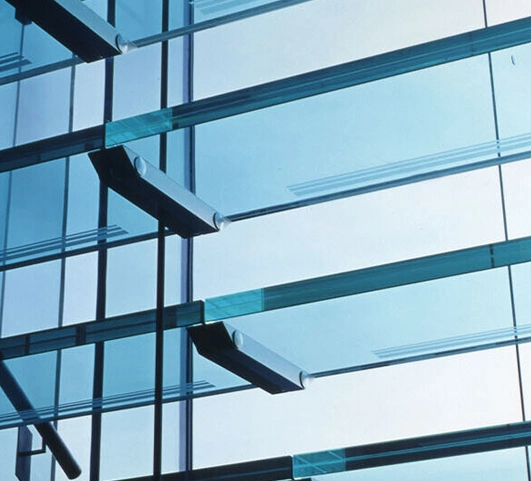
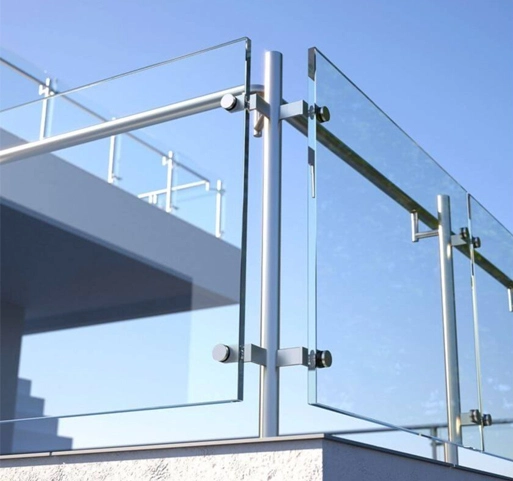
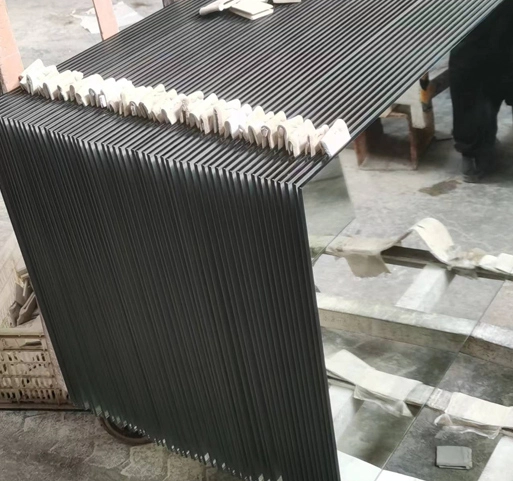
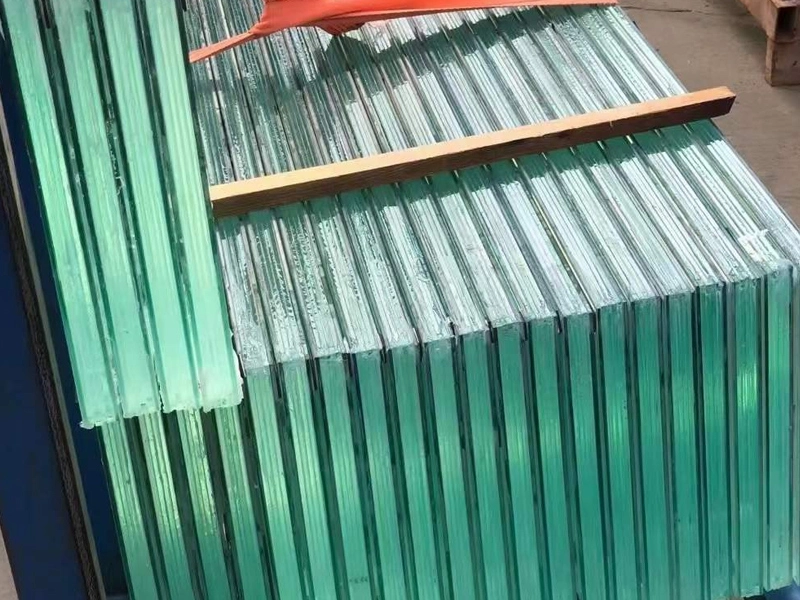
Selecting Low-E glass for an architectural project requires a detailed understanding of performance data rather than simply comparing product names or appearance. Parameters such as U-Value, Visible Light Transmission (VLT), solar control capability, and reflectance determine how effectively glass manages heat transfer, daylight availability, building energy consumption, and occupant comfort.
For architects, developers, contractors, and glass buyers, interpreting these values correctly is essential when designing energy-efficient façades. The right Low-E glass specification must balance thermal insulation, natural lighting, solar heat management, and aesthetic requirements.
A glazing system with a lower U-Value may provide better insulation, but excessive solar reflection or reduced VLT could affect daylight quality and building appearance. Therefore, high-performance glass selection requires evaluating multiple performance indicators together.
Low-E (low emissivity) glass is a coated architectural glass product designed to reduce heat transfer through windows and façades.
The coating consists of an extremely thin metallic layer applied to the glass surface. Although the coating is nearly invisible, it significantly influences how solar radiation and infrared energy interact with the glazing system.
The primary functions of Low-E glass include:
Reducing heat loss in cold weather
Limiting solar heat gain in hot climates
Maintaining comfortable indoor temperatures
Improving building energy efficiency
Allowing natural daylight penetration
Unlike traditional clear glass, Low-E glass selectively controls different wavelengths of solar energy.
Visible light can pass through the glass, while unwanted infrared radiation is reflected or controlled.
U-Value is one of the most important indicators used to evaluate glass thermal performance.
It measures the rate of heat transfer through the glazing system and is usually expressed in:
W/m²·K
A lower U-Value indicates better insulation performance.
In practical terms:
| U-Value Level | Performance |
|---|---|
| Higher U-Value | More heat transfer through glass |
| Lower U-Value | Better thermal insulation |
For buildings located in cold climates, reducing heat loss through windows can significantly improve heating efficiency.
Low-E coatings reduce heat transfer by reflecting long-wave infrared radiation.
During winter:
Heat generated inside the building is reflected back indoors
Less heat escapes through the glass
Indoor temperatures remain more stable
During summer:
External solar heat is partially reflected
Less heat enters the building
Cooling demand can be reduced
The overall thermal performance depends on several factors:
| Factor | Influence on Performance |
|---|---|
| Low-E coating type | Determines infrared control |
| Number of glass layers | Affects insulation capability |
| Gas filling | Improves thermal resistance |
| Spacer system | Reduces edge heat loss |
| Glass thickness | Influences structural and thermal behavior |
Therefore, U-Value should always be evaluated as part of a complete glazing system rather than as an independent glass value.
Visible Light Transmission (VLT) represents the percentage of visible sunlight that passes through the glass.
It directly affects:
Interior daylight levels
Artificial lighting requirements
Visual comfort
Building appearance
A higher VLT allows more natural light into the building.
However, maximum VLT is not always the best choice.
A building with excessive daylight transmission may experience:
Increased solar heat gain
Higher cooling requirements
Glare problems
Therefore, professional glazing design focuses on balancing VLT with solar control.
The ideal relationship between VLT and solar control depends on:
Geographic location
Building orientation
Climate conditions
Façade design
Energy targets
For example:
| Project Type | Performance Priority |
|---|---|
| Cold climate buildings | Higher daylight + improved insulation |
| Hot climate buildings | Solar heat reduction |
| Office buildings | Daylight balance + glare control |
| High-rise façades | Energy efficiency + appearance |
A well-designed Low-E glass solution provides sufficient daylight while preventing excessive heat gain.
Solar control refers to the ability of glass to manage incoming solar radiation.
Solar radiation consists of:
Visible light
Infrared energy
Ultraviolet radiation
Low-E coatings are designed to selectively control these components.
A high-performance solar control glazing system can:
Reduce unwanted heat entering buildings
Improve indoor thermal comfort
Lower air-conditioning loads
Protect interior materials from radiation exposure
Solar control performance is especially important for:
Commercial buildings
Curtain walls
Office towers
Buildings with large glass façades
Reflectance describes the percentage of solar energy reflected from the glass surface.
It affects both technical performance and architectural appearance.
Higher reflectance can improve solar control because more solar energy is rejected before entering the building.
However, excessive reflectance may influence:
Exterior appearance
Surrounding building reflections
Design consistency
Architects must consider both performance and visual requirements when selecting reflective glass products.
Low-E glass performance cannot be judged by a single parameter.
The relationship between major indicators is:
| Parameter | Function | Design Consideration |
|---|---|---|
| U-Value | Controls heat transfer | Lower values improve insulation |
| VLT | Controls daylight entry | Higher values improve natural lighting |
| Solar Control | Controls solar heat gain | Important for warm climates |
| Reflectance | Controls reflected solar energy | Influences energy and appearance |
A high-performance glazing system achieves a suitable balance among these factors.
The base glass used for Low-E coating affects transparency, appearance, and processing performance.
Standard clear glass may contain higher iron content, which can create a slight green tint and reduce optical clarity.
For projects requiring improved transparency and appearance, low iron glass tempered can provide:
Higher optical clarity
Reduced color distortion
Better visible light transmission
Improved mechanical strength
Low-iron tempered glass is commonly considered for premium architectural applications where both appearance and durability are important.
Modern architectural projects often combine Low-E coatings with laminated glass structures to achieve multiple performance requirements.
A laminated configuration consists of multiple glass layers bonded with an interlayer.
laminated glass can provide additional benefits including:
Enhanced safety performance
Improved acoustic insulation
Better protection after breakage
Additional design flexibility
Low-E laminated glass solutions are commonly used in:
Curtain walls
High-rise buildings
Airports
Commercial developments
The combination allows architects to achieve energy efficiency while maintaining safety and comfort requirements.
| Feature | Clear Glass | Low-E Glass |
|---|---|---|
| Thermal insulation | Limited | Improved |
| Infrared control | Low | High |
| Energy efficiency | Basic | Advanced |
| Solar management | Limited | Adjustable |
| Building comfort | Moderate | Improved |
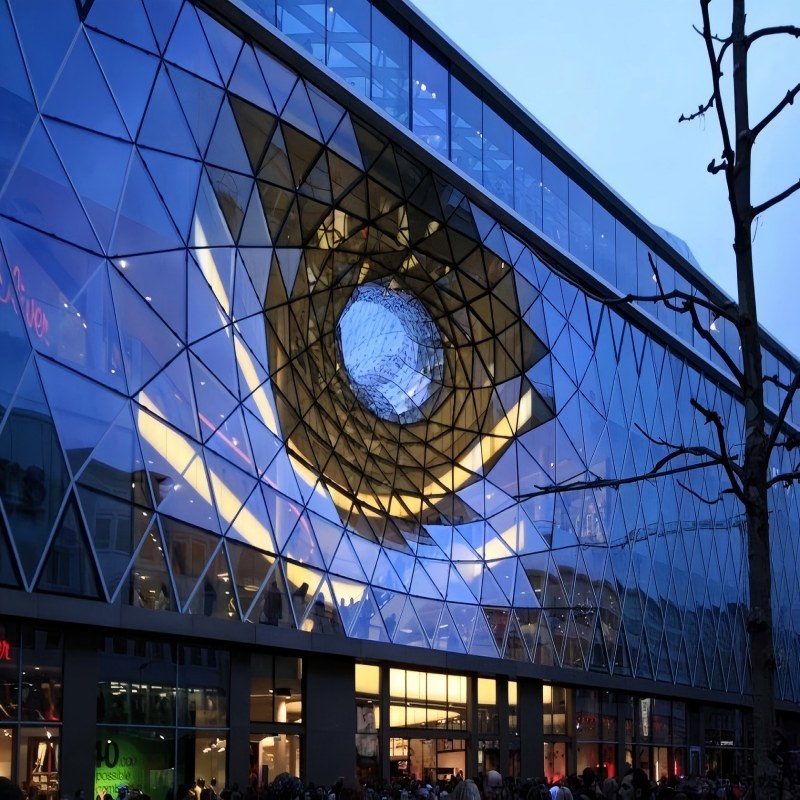
Low-E glass has become a standard solution for modern energy-efficient buildings because it provides improved thermal performance without sacrificing transparency.
Silver-based Low-E coatings are widely used in high-performance architectural glazing because silver layers provide excellent infrared reflection while maintaining visible light transmission.
The number of silver layers directly affects the balance between thermal insulation, solar control, and optical performance.
Single silver Low-E glass contains one silver functional layer.
It provides improved performance compared with traditional clear glass while maintaining good daylight transmission.
Typical advantages include:
Improved thermal insulation
Good visible light transmission
Balanced solar performance
Cost-effective energy efficiency improvement
Common applications:
Residential windows
Small commercial buildings
Standard energy-efficient projects
Single silver Low-E glass is often selected when moderate energy performance is required without significantly increasing project cost.
Double silver Low-E glass contains two silver layers within the coating structure.
Compared with single silver products, it provides stronger control over infrared radiation.
Advantages include:
Lower U-Value
Better solar heat reduction
Improved energy efficiency
Enhanced façade performance
Typical applications:
Office buildings
Commercial façades
Green buildings
Large-scale architectural projects
Double silver Low-E glass is commonly chosen when projects require improved energy performance while maintaining high daylight levels.
Triple silver Low-E glass includes three silver functional layers, providing advanced solar and thermal control.
Advantages include:
Excellent infrared reflection
Superior solar control
Very low heat transfer
High-performance façade capability
Typical applications:
Premium commercial buildings
High-rise curtain walls
Passive building projects
Buildings with strict energy requirements
However, triple silver Low-E glass may have higher reflectance and different appearance characteristics, so designers should evaluate both performance and visual impact.
| Performance Factor | Single Silver | Double Silver | Triple Silver |
|---|---|---|---|
| Thermal insulation | Good | Better | Excellent |
| Solar control | Moderate | Strong | Excellent |
| Visible light transmission | High | High | Adjustable |
| Energy efficiency | Standard | Advanced | Premium |
| Cost level | Lower | Medium | Higher |
| Typical use | Residential | Commercial | High-performance buildings |
The correct choice depends on project goals rather than simply selecting the highest-performance product.
Climate is one of the most important factors when selecting Low-E glass.
The same glass specification may perform differently depending on geographic location.
In colder regions, the priority is usually reducing heat loss.
Recommended characteristics:
Low U-Value
Good insulation
Balanced solar gain
Adequate daylight transmission
The objective is to retain indoor heat while allowing useful solar energy to enter.
In warm climates, controlling solar heat gain becomes more important.
Recommended characteristics:
Strong solar control
Lower solar heat transmission
Controlled VLT
Reduced cooling demand
High-performance solar-control Low-E glass can help reduce the load on air-conditioning systems.
Buildings located in regions with both heating and cooling seasons require balanced glazing.
Designers typically evaluate:
Annual energy consumption
Building orientation
Window-to-wall ratio
Occupant comfort
The direction a façade faces influences solar exposure.
Often receives significant solar radiation.
Important considerations:
Solar heat control
Daylight management
Glare reduction
Receives lower-angle sunlight, which can create glare and heat issues.
Recommended focus:
Solar reflection
Thermal comfort
Visual control
Usually receives less direct sunlight.
The priority may shift toward:
Daylight transmission
Thermal insulation
Although Low-E glass is primarily used in architectural buildings, advanced coated glass technologies are also applied in specialty environments where controlling solar energy is important.
For agricultural structures, optical performance must consider:
Light transmission
Solar radiation management
Energy balance
Crop requirements
Projects requiring transparent glass solutions for controlled environments may evaluate products such as glass greenhouse panels for sale to achieve suitable light management and durability.
The performance requirements for greenhouse glass differ from architectural Low-E glass because plants require specific light wavelengths for photosynthesis.
Before purchasing Low-E glass, buyers should evaluate technical data and supplier capabilities.
Important parameters include:
U-Value
VLT
Solar Heat Gain Coefficient (SHGC)
Reflectance
Emissivity value
These values should match the project energy requirements.
Low-E performance depends on the complete glazing structure.
Buyers should confirm:
Single or insulating glass unit (IGU)
Glass thickness
Spacer type
Gas filling
Coating position
Architectural glass affects building appearance.
Important factors include:
Exterior reflection
Color consistency
Transparency
Viewing angle appearance
Professional suppliers should provide:
Product specifications
Quality inspection reports
Performance test data
Packaging standards
Lanjing Glass Technology provides customized glass solutions for architectural and specialty applications.
The company supports customers with:
Energy-efficient glazing solutions
Customized glass processing
Performance-based recommendations
Quality inspection and technical support
For Low-E glass projects, Lanjing focuses on helping customers select suitable combinations of:
Thermal insulation
Solar control
Optical performance
Structural requirements
Through professional manufacturing capabilities and strict quality management, Lanjing supports architects, contractors, and developers in achieving reliable glazing performance.
There is no single most important value. U-Value, VLT, solar control, and reflectance must be evaluated together based on climate, building design, and energy goals.
A lower U-Value generally indicates better insulation, but the ideal value depends on climate conditions. Buildings in different regions may require different balances between insulation and solar gain.
VLT means Visible Light Transmission. It indicates the percentage of visible light passing through the glass and affects daylight availability inside a building.
Double silver Low-E glass uses two silver coating layers and provides strong energy performance. Triple silver Low-E glass adds another silver layer for enhanced solar control and thermal performance.
Yes. Low-E coatings can reduce solar heat gain by reflecting infrared radiation while allowing visible light to pass through.
Buyers should evaluate:
Technical performance data
Manufacturing experience
Quality control procedures
Customization capability
Project support services
A reliable supplier should provide complete technical information before production.
Understanding Low-E glass performance data is essential for selecting the right glazing solution for modern architectural projects.
U-Value determines thermal insulation capability, VLT controls daylight availability, solar control manages unwanted heat gain, and reflectance influences both energy performance and façade appearance.
The most suitable Low-E glass specification depends on multiple factors, including climate conditions, building orientation, design requirements, and energy targets.
Single silver, double silver, and triple silver Low-E glass each provide different performance advantages. Instead of choosing based only on coating type, project teams should evaluate the complete balance between energy efficiency, comfort, appearance, and cost.
Lanjing Glass Technology provides professional glass solutions for architectural and specialty applications, helping customers select suitable glazing products based on performance requirements and project objectives.