English
 日本語
日本語 한국어
한국어 français
 Deutsch
 Español
 italiano
 русский
 português
 Türkçe
 العربية
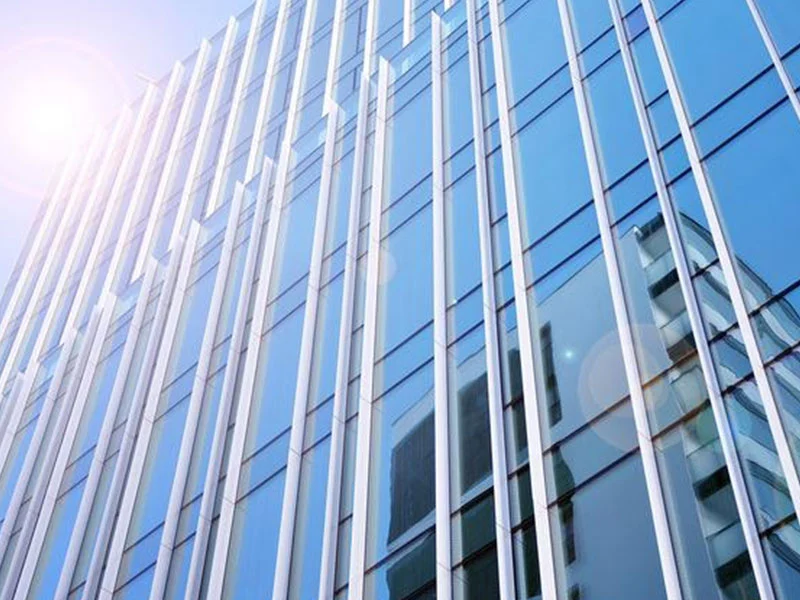
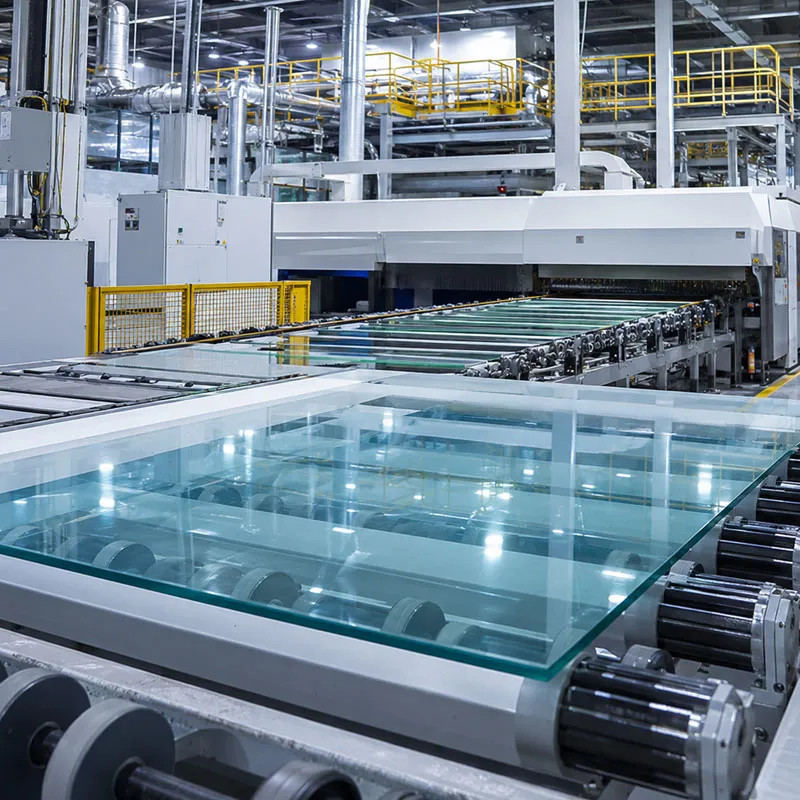
Selecting the correct Low-E glass configuration is a critical decision in modern architectural design. Glass façades influence not only the appearance of a building but also its energy consumption, indoor comfort, daylight quality, and long-term operating costs.
Among high-performance glazing solutions, single silver, double silver, and triple silver Low-E glass are widely used for commercial buildings, residential projects, and energy-efficient developments.
Although all three types use silver-based coatings to improve thermal and solar performance, they are designed for different performance requirements. The number of silver layers affects how the glass manages infrared radiation, solar heat gain, visible light transmission, and reflectance.
Choosing the right product requires more than selecting the highest-performance option. Architects, developers, and buyers need to consider:
Local climate conditions
Building orientation
Window-to-wall ratio
Energy efficiency targets
Appearance requirements
Project budget
The most suitable Low-E glass solution is the one that achieves the right balance between thermal insulation, solar control, daylight performance, and architectural appearance.
Silver Low-E glass is a coated architectural glass product designed to improve building energy performance.
The coating contains one or multiple ultra-thin silver layers that control the movement of solar energy through the glazing system.
Silver has excellent infrared reflection properties, allowing Low-E coatings to reduce unwanted heat transfer while maintaining transparency.
The main functions of silver Low-E coatings include:
Reducing heat loss during cold seasons
Limiting solar heat gain during hot seasons
Improving indoor thermal comfort
Supporting building energy efficiency
Maintaining natural daylight transmission
Silver Low-E glass is commonly used in:
Curtain walls
Office towers
Shopping centers
Residential buildings
Green building projects
The main difference between single, double, and triple silver Low-E glass is the number of silver functional layers inside the coating structure.
Each additional silver layer improves the ability of the coating to reflect infrared energy.
However, more silver layers may also influence:
Visible light transmission
Exterior reflectance
Glass appearance
Manufacturing cost
A simplified comparison:
| Coating Structure | Main Performance Feature |
|---|---|
| Single Silver | Balanced energy improvement |
| Double Silver | Enhanced solar and thermal control |
| Triple Silver | Maximum performance glazing |
The final choice depends on project requirements rather than simply choosing the highest specification.
Single silver Low-E glass contains one silver layer within the coating system.
It provides improved thermal performance compared with conventional clear glass while maintaining high daylight transmission.
Key benefits include:
Better insulation than standard glass
High visible light transmission
Balanced solar control
Lower material cost
Single silver Low-E glass is often selected for:
Residential windows
Low-rise commercial buildings
Standard energy-saving projects
For projects with moderate energy requirements, single silver Low-E glass can provide an effective improvement without significantly increasing cost.
Double silver Low-E glass contains two silver functional layers.
The additional silver layer improves infrared reflection and solar control performance.
Compared with single silver products, double silver glass provides:
Lower heat transfer
Improved solar rejection
Better energy efficiency
Stronger façade performance
Double silver Low-E glass is commonly used in:
Commercial buildings
Office façades
Large glass curtain walls
Energy-efficient residential projects
For many modern buildings, double silver Low-E glass offers a practical balance between performance and appearance.
Triple silver Low-E glass contains three silver layers, providing advanced solar and thermal control.
It is designed for projects where energy performance requirements are particularly demanding.
Triple silver Low-E glass can provide:
Excellent infrared reflection
Strong solar heat reduction
Superior thermal insulation
Improved building energy performance
Common applications include:
High-performance commercial buildings
Green-certified projects
Large-scale curtain wall systems
Premium architectural developments
However, triple silver coatings may create different optical characteristics, so designers should evaluate:
Reflection level
Exterior appearance
Color neutrality
before final selection.
| Performance Factor | Single Silver | Double Silver | Triple Silver |
|---|---|---|---|
| Silver layers | 1 | 2 | 3 |
| Thermal insulation | Good | Better | Excellent |
| Solar control | Moderate | Strong | Superior |
| Infrared reflection | Basic | Improved | Maximum |
| Visible light transmission | High | Balanced | Controlled |
| Reflectance | Lower | Medium | Higher possible |
| Cost level | Lower | Medium | Higher |
| Typical application | Residential | Commercial | Premium projects |
U-Value measures the rate of heat transfer through a glazing system.
A lower U-Value indicates stronger insulation performance.
Generally:
Single silver Low-E improves insulation compared with clear glass
Double silver provides stronger thermal resistance
Triple silver achieves advanced insulation performance
However, the final U-Value depends on the complete glazing structure, including:
Number of glass panes
Spacer design
Gas filling
Glass thickness
Installation method
Therefore, coating type should always be evaluated together with the entire glass unit.
Solar radiation contains:
Visible light
Infrared energy
Ultraviolet radiation
Low-E coatings selectively control these components.
The silver layer reflects infrared energy, helping reduce unwanted solar heat entering buildings.
Effective solar control can help:
Reduce cooling loads
Improve occupant comfort
Maintain stable indoor temperatures
Improve building energy efficiency
This makes silver Low-E glass especially valuable for buildings with large glazed areas.
The selection process should consider the specific requirements of the project.
Main priorities:
Indoor comfort
Energy savings
Daylight quality
Cost control
Single or double silver Low-E glass is often suitable depending on regional climate conditions.
Commercial projects usually require:
Strong energy performance
Reduced operating costs
Improved occupant comfort
Consistent façade appearance
Double silver Low-E glass is frequently selected for these applications.
Buildings targeting advanced energy standards may require:
Maximum thermal insulation
Strong solar control
High-performance glazing systems
Triple silver Low-E glass may be considered for these demanding projects.
Climate is one of the most important factors in glazing specification.
Primary objective:
Reduce heat loss.
Recommended characteristics:
Low U-Value
Strong insulation
Balanced solar gain
Primary objective:
Reduce solar heat entering the building.
Recommended characteristics:
Strong solar control
Reduced solar heat gain
Controlled daylight transmission
Projects in moderate climates require a balance between:
Heating efficiency
Cooling performance
Natural lighting
Low-E coated glass is often processed into different configurations depending on project requirements.
Common processing methods include:
Tempering
Laminating
Insulating glass assembly
For applications requiring higher mechanical strength and safety performance, tempered glass is commonly selected.
Proper processing helps ensure:
Structural reliability
Thermal resistance
Installation safety
The processing method should always be compatible with the coating system.
Modern architectural projects often combine multiple glass technologies to achieve better performance.
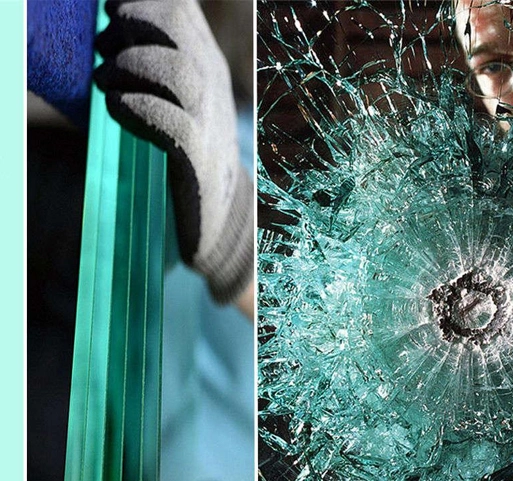
Low-E coatings can be integrated with laminated glass systems to provide additional benefits such as:
Safety protection
Noise reduction
Improved durability
Enhanced security
Low-E laminated glazing is commonly used in:
High-rise façades
Commercial buildings
Public facilities
Transportation buildings
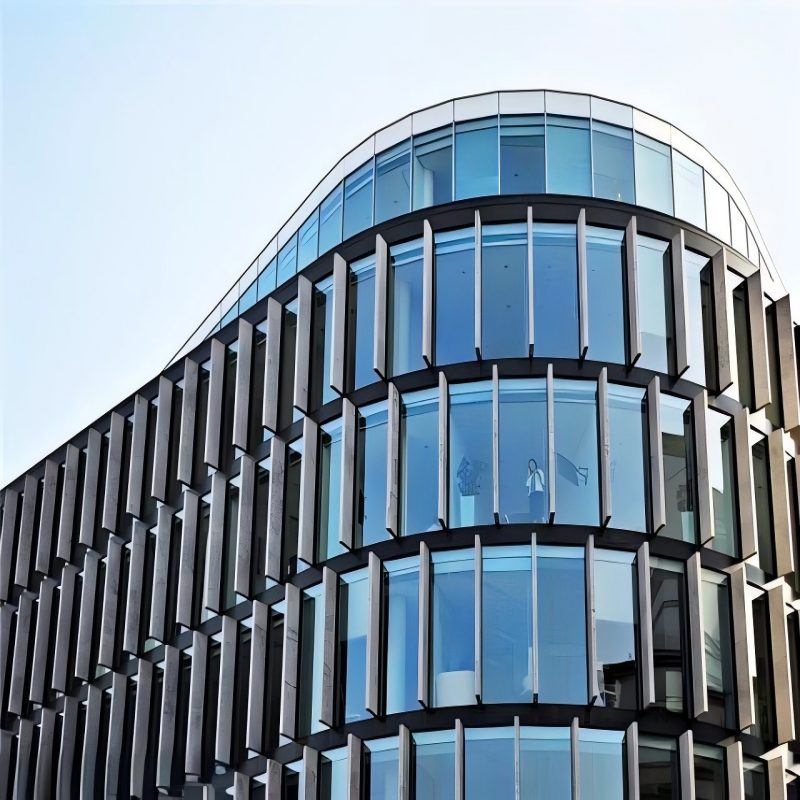
Although architectural Low-E glass and greenhouse glazing have different performance objectives, both require careful management of light and solar energy.
Architectural glazing focuses mainly on:
Energy efficiency
Indoor comfort
Heat control
Greenhouse glazing focuses on:
Plant growth conditions
Light transmission
Thermal balance
For agricultural applications, buyers may evaluate products such as greenhouse glass panels for sale based on climate, crop requirements, and durability expectations.
Choosing Low-E glass only by coating type can lead to unsuitable project results. Many performance problems occur because buyers focus on one parameter instead of evaluating the complete glazing system.
Common mistakes include:
Triple silver Low-E glass provides excellent solar and thermal performance, but it may not always be necessary.
For example:
Cold regions may prioritize heat retention
Hot regions may prioritize solar heat rejection
Moderate climates may require balanced performance
The correct specification should match the building environment.
A low U-Value is important, but it is not the only performance indicator.
A complete evaluation should include:
U-Value
Visible Light Transmission (VLT)
Solar Heat Gain Coefficient (SHGC)
Reflectance
Color appearance
A glazing system with excellent insulation but unsuitable daylight performance may not meet the overall design objective.
Architectural façades require both technical performance and visual consistency.
Before ordering, buyers should confirm:
Exterior reflection level
Glass color
Transparency
Appearance under different lighting conditions
This is particularly important for large curtain wall projects.
Low-E coating performance depends on the entire glass structure.
Important factors include:
Single glazing or insulating glass unit
Glass thickness
Spacer system
Gas filling
Installation method
A coating should not be evaluated separately from the final glazing assembly.
Before production begins, professional buyers should confirm technical specifications and quality requirements.
The supplier should provide complete technical information, including:
| Parameter | Purpose |
|---|---|
| U-Value | Measures thermal insulation |
| VLT | Measures daylight transmission |
| SHGC | Measures solar heat gain |
| Reflectance | Measures reflected solar energy |
| Emissivity | Indicates infrared radiation control |
These values should correspond with project requirements.
Buyers should specify:
Glass thickness
Number of layers
Coating position
Spacer type
Gas filling requirements
For example, the same Low-E coating can perform differently depending on whether it is used in a single glazing system or insulating glass unit.
Before production, confirm whether the glass requires:
Cutting
Tempering
Laminating
Edge processing
Insulating glass assembly
Incorrect processing methods may affect coating performance.
A professional supplier should provide:
Product specifications
Quality inspection reports
Performance test data
Packaging information
Complete documentation helps buyers verify product consistency.
Lanjing Glass Technology provides customized architectural glass solutions for projects requiring advanced energy performance and reliable quality.
The company supports customers with:
Low-E glass configuration recommendations
Customized processing options
Technical consultation
Quality inspection procedures
Project-based glass solutions
For different architectural requirements, Lanjing helps customers evaluate:
Energy efficiency targets
Climate conditions
Building appearance
Safety requirements
Installation conditions
By combining manufacturing expertise with application knowledge, Lanjing Glass Technology helps architects, contractors, and distributors select suitable glazing solutions for modern buildings.
Not necessarily. Triple silver Low-E glass provides higher solar and thermal performance, but the best choice depends on climate conditions, building design, energy goals, and budget requirements.
The main difference is the number of silver layers in the coating structure. Double silver Low-E glass contains two silver layers, providing stronger solar control and improved thermal performance compared with single silver products.
Hot climates usually require stronger solar control to reduce heat entering buildings. Double or triple silver Low-E glass may be considered depending on project requirements.
Cold climate projects usually prioritize thermal insulation. Low U-Value glazing systems are preferred because they help reduce indoor heat loss.
Yes. Different coating structures may influence reflectance, color tone, and transparency. Architects should evaluate appearance requirements before final selection.
Yes. Low-E coatings can be integrated with laminated glass systems to achieve additional safety, acoustic, and durability benefits. This combination is often used in high-performance architectural applications.
Selecting between single, double, and triple silver Low-E glass requires a comprehensive understanding of building performance requirements.
Single silver Low-E glass provides a cost-effective improvement for projects requiring moderate energy efficiency. Double silver Low-E glass offers a stronger balance between thermal insulation, solar control, and appearance, making it suitable for many commercial applications. Triple silver Low-E glass delivers advanced performance for projects with demanding energy targets.
However, the highest-performance product is not always the most suitable solution. The correct choice depends on climate conditions, building orientation, façade design, daylight requirements, and long-term energy objectives.
Lanjing Glass Technology provides professional glass solutions designed around project-specific requirements, helping customers select suitable glazing systems with reliable performance and consistent quality.
By evaluating U-Value, VLT, solar control, reflectance, and overall glazing configuration together, project teams can achieve better energy efficiency, occupant comfort, and architectural performance.
This is the first one.