English
 日本語
日本語 한국어
한국어 français
 Deutsch
 Español
 italiano
 русский
 português
 Türkçe
 العربية
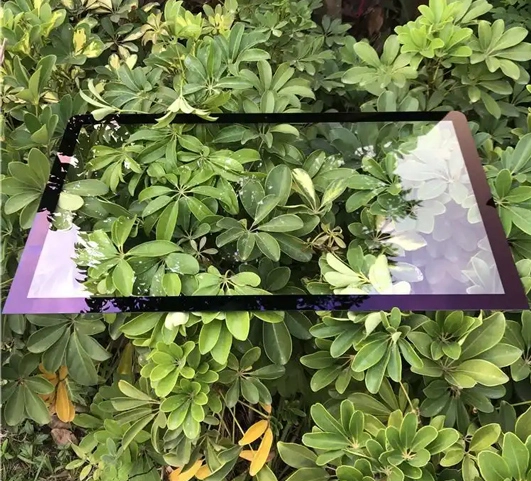


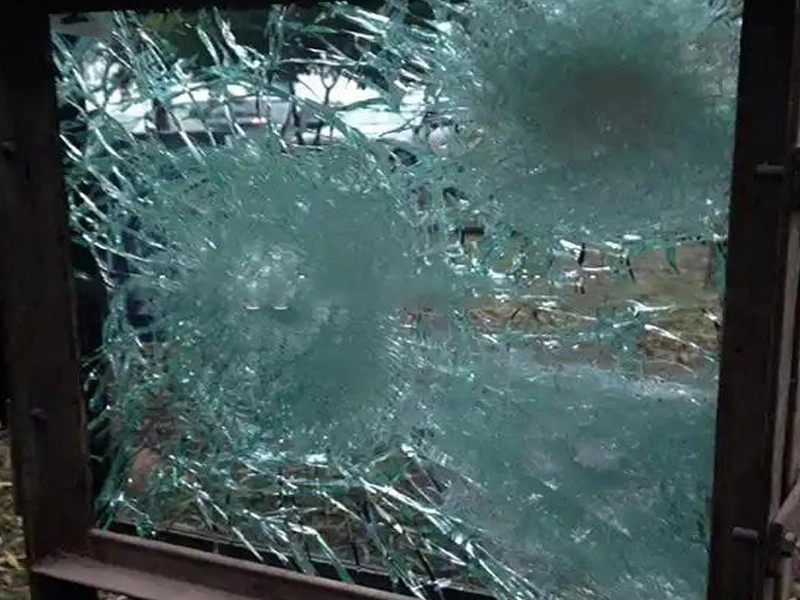
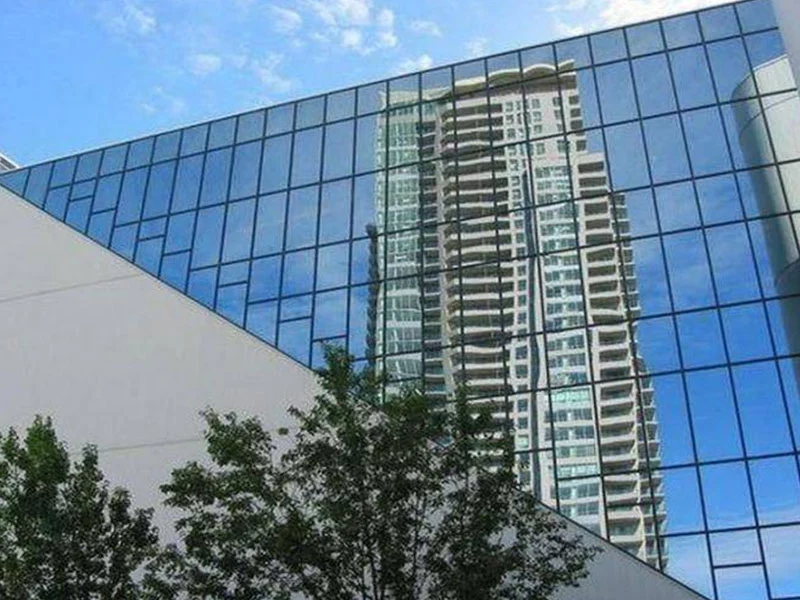
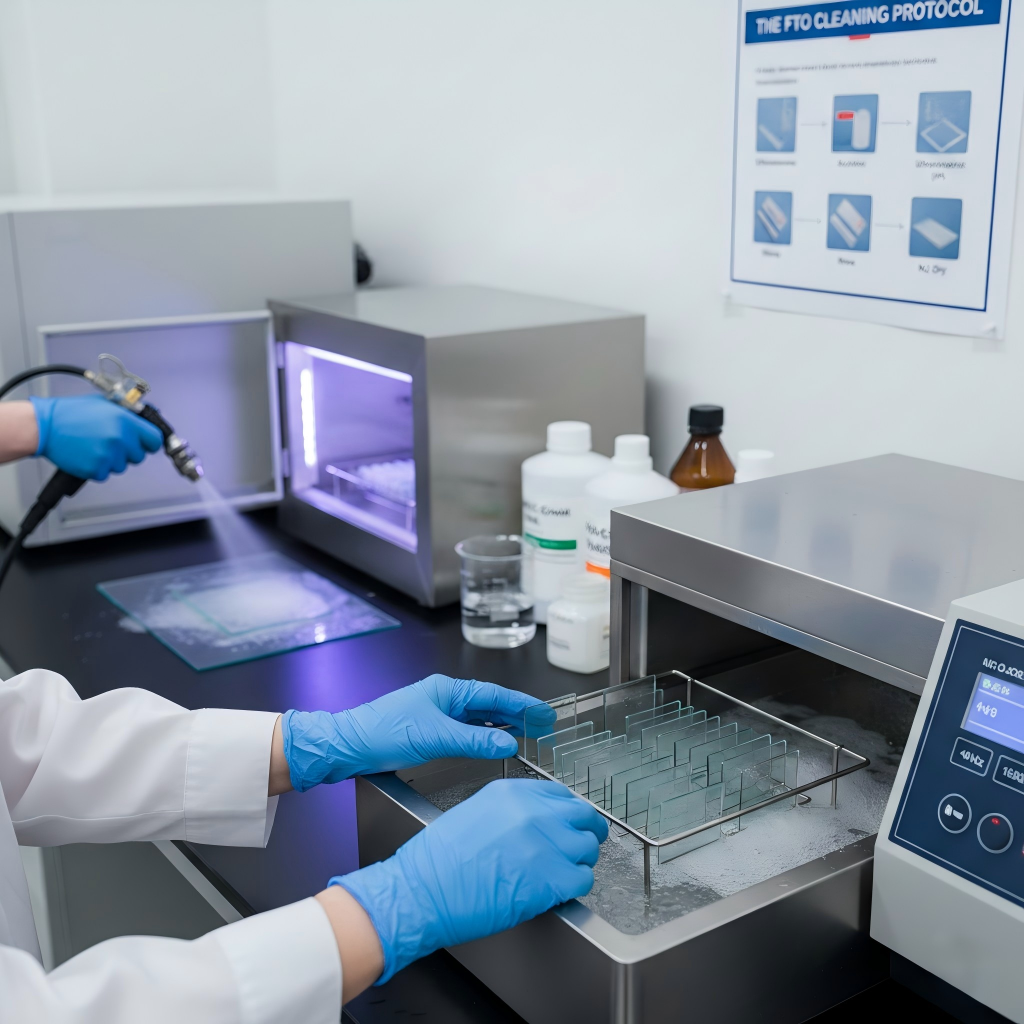
Custom glass processing has become a critical requirement for large architectural projects because modern buildings demand more than standard glass products. Complex facades, oversized panels, irregular designs, and strict safety regulations require glass solutions that are precisely engineered for each application.
The performance of architectural glazing depends not only on the quality of raw glass but also on how accurately it is processed. Advanced glass processing technologies allow manufacturers to transform basic glass sheets into customized building components through precision cutting, edge treatment, drilling, shaping, tempering, laminating, and insulating processes.
For commercial buildings, high-rise developments, airports, and landmark architectural projects, customized processing directly influences installation accuracy, structural reliability, appearance, and long-term performance. A well-designed glass solution must match the building structure, environmental conditions, and project requirements from the beginning of the design process.
Large architectural projects often involve unique design requirements that cannot be achieved with standard glass dimensions. Architects increasingly use glass as a major design element, creating transparent facades, curved structures, oversized windows, and complex building envelopes.
Custom processing provides the flexibility required to meet these challenges. Instead of adapting building designs around available glass products, manufacturers can process glass according to engineering drawings and project specifications.
This approach helps achieve several important goals:
Accurate dimensions for complex facade systems
Improved safety and structural performance
Better integration with supporting frames
Reduced installation difficulties
Enhanced architectural appearance
For large-scale construction projects, precision is especially important because even small dimensional errors can create installation delays, additional costs, and visual inconsistencies across the building facade.
Glass processing directly affects how a glazing system performs after installation. Different processing methods are designed to improve specific characteristics, including strength, safety, thermal efficiency, acoustic performance, and visual quality.
A professional processing workflow ensures that each glass unit maintains consistent quality throughout production. This is particularly important for large projects where hundreds or thousands of glass panels must meet the same technical requirements.
Architectural glass systems require extremely precise dimensions to fit correctly within curtain walls, window frames, and other supporting structures. Precision cutting and edge processing ensure that each panel matches the approved construction drawings.
Accurate processing reduces problems during installation, including incorrect fitting, excessive adjustment, and unnecessary material waste. For contractors, this improves construction efficiency and helps maintain project schedules.
Safety is one of the most important considerations in architectural glazing. Large glass panels installed in public buildings, commercial spaces, and high-rise structures must withstand environmental loads and potential impact risks.
Different processing methods can improve glass safety depending on the application. Heat treatment increases mechanical strength, while laminated structures help maintain glass integrity after breakage.
For projects requiring enhanced strength and safety performance, selecting an experienced tempered glass supplier helps ensure that processed glass meets structural and application requirements.
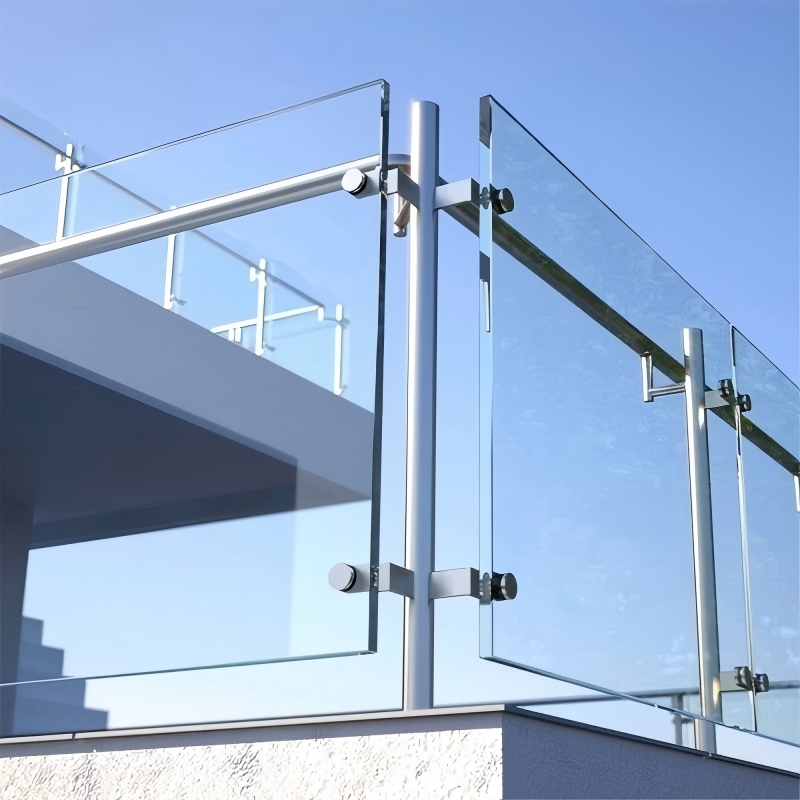
Modern architecture often requires glass solutions that go beyond traditional rectangular panels. Unique shapes, decorative patterns, and customized openings have become common features in contemporary building design.
Advanced processing technology enables manufacturers to support these creative concepts while maintaining required performance standards. This allows architects to achieve distinctive designs without compromising safety or durability.
Different architectural applications require different processing techniques. The correct combination of processing methods depends on glass type, building requirements, installation conditions, and expected performance.
| Processing Method | Main Purpose | Typical Applications |
|---|---|---|
| Precision Glass Cutting | Create accurate dimensions according to technical drawings | Curtain walls, windows, facade panels |
| Edge Grinding and Polishing | Improve edge quality, safety, and appearance | Exposed glass edges, decorative glazing |
| CNC Glass Cutting | Produce complex shapes with high processing accuracy | Customized architectural panels and special designs |
| Tempering | Increase mechanical strength and safety performance | Doors, partitions, facades, commercial buildings |
| Laminating | Improve safety, sound reduction, and impact resistance | Skylights, high-rise buildings, security glazing |
| Insulating Glass Assembly | Improve thermal insulation performance | Energy-efficient building envelopes |
Modern architectural projects increasingly require glass components with complex shapes and extremely accurate dimensions. Traditional manual cutting methods cannot always meet the precision requirements of advanced facade designs.
CNC glass cutting technology uses computer-controlled equipment to process glass according to digital drawings. This allows manufacturers to achieve higher accuracy, repeatability, and production efficiency.
CNC processing is particularly valuable for:
Irregular glass shapes
Large architectural panels
Custom openings and cut-outs
Complex decorative designs
Special facade components
By integrating digital design data with automated processing equipment, manufacturers can reduce production errors and provide more reliable solutions for demanding architectural projects.
Large architectural projects require customized glass fabrication because every building has different structural conditions, design concepts, and performance targets. Standard glass products may not provide the flexibility needed for complex construction requirements.
A professional glass fabrication process involves multiple stages, including engineering review, precision cutting, surface treatment, quality inspection, and final preparation for installation.
This integrated approach allows manufacturers to produce glass components that meet specific project requirements while maintaining consistent quality.
Customized fabrication is especially important for:
Large curtain wall systems
Commercial office buildings
Hotels and public facilities
Transportation infrastructure
Architectural feature structures
The final performance of architectural glass depends on both material selection and processing quality. Even high-performance glass can fail to achieve expected results if the processing method is unsuitable.
For example, laminated glass requires precise bonding conditions between glass layers and interlayers. Tempered glass requires controlled heating and cooling processes to achieve the required strength characteristics.
Therefore, architects and contractors should consider glass type and processing capability together during the early design stage. This cooperation helps determine the most suitable solution based on safety, performance, and installation requirements.
Laminated glass is widely used in large architectural projects because it provides additional safety, durability, and design flexibility. Unlike ordinary single-layer glass, laminated glass consists of multiple glass sheets bonded together with an interlayer that helps maintain structural integrity after breakage.
This characteristic makes laminated glass suitable for applications where safety and reliability are essential, including high-rise buildings, skylights, glass canopies, public facilities, and areas with strict safety requirements.
For projects requiring customized safety glazing solutions, working with experienced laminated glass suppliers allows architects and contractors to select suitable glass structures according to impact resistance, acoustic requirements, and design objectives.
In large architectural projects, installation efficiency depends heavily on the accuracy of prefabricated glass components. Every glass panel must match the approved drawings and fit precisely within the supporting structure.
Professional processing reduces the need for on-site modification and helps contractors complete installation more efficiently. Accurate cutting, drilling, edge treatment, and quality inspection ensure that glass units arrive ready for installation.
The benefits of precise processing include:
Reduced installation adjustment time
Lower material waste
Improved construction scheduling
Consistent facade appearance
Better project cost control
Selecting a glass processing partner is an important decision for large construction projects. The supplier should have not only manufacturing capability but also technical experience in handling customized architectural requirements.
A reliable processing partner should be evaluated based on several key factors.
Modern architectural projects require advanced equipment to achieve high precision and consistent quality. Automated cutting systems, CNC processing equipment, tempering lines, and inspection technologies help manufacturers manage complex production requirements.
The ability to process large-size glass panels and customized shapes is especially important for projects involving curtain walls, special facades, and unique architectural structures.
Glass processing is not only a manufacturing process but also an engineering process. Experienced suppliers should understand architectural drawings, performance requirements, and installation conditions.
Early communication between architects, contractors, and processors helps identify potential issues before production begins. This reduces risks related to glass selection, processing methods, and installation compatibility.
Quality control is essential because architectural glass often becomes a highly visible part of a building. Any defects in dimensions, edges, or surface quality may affect both appearance and performance.
| Quality Control Stage | Main Inspection Items |
|---|---|
| Raw Glass Inspection | Glass thickness, surface quality, defects, and material consistency |
| Processing Inspection | Cutting accuracy, edge quality, drilling precision, and shape consistency |
| Heat Treatment Inspection | Strength performance and safety requirements |
| Final Product Inspection | Dimensions, appearance, packaging, and project specifications |
| Project Type | Recommended Processing Solutions | Main Requirements |
|---|---|---|
| High-Rise Buildings | Tempering, laminating, insulating glass processing | Safety, wind resistance, thermal performance |
| Commercial Facades | CNC cutting, edge polishing, customized shaping | Appearance, dimensional accuracy, design flexibility |
| Glass Skylights | Laminated glass processing, safety treatment | Impact resistance and weather durability |
| Interior Glass Applications | Precision cutting, polishing, decorative processing | Visual quality and installation accuracy |
| Energy-Efficient Buildings | Insulating glass assembly, Low-E integration | Thermal insulation and energy reduction |
The lowest price does not always represent the best solution for large architectural projects. Poor processing quality can lead to installation problems, replacement costs, and project delays.
A reliable supplier should be evaluated based on processing accuracy, quality control, technical support, and long-term cooperation capability.
Some projects require specialized processing methods that ordinary suppliers may not support. Before selecting a partner, buyers should confirm whether the supplier has suitable equipment and experience for the required glass specifications.
Many processing issues can be avoided through early technical communication. Suppliers should participate during the design review stage to provide suggestions regarding glass structure, processing methods, and installation requirements.
Custom glass processing allows manufacturers to produce glass components according to specific project requirements, including dimensions, shapes, safety standards, and performance targets. It enables architects to achieve complex designs while maintaining reliability and quality.
CNC glass cutting is used for producing accurate and complex glass shapes through computer-controlled processing. It is commonly applied in customized facade systems, decorative structures, and architectural projects requiring high dimensional accuracy.
Glass processing improves safety through techniques such as tempering, laminating, and precision edge treatment. These processes enhance strength, reduce risks after breakage, and help glass meet architectural safety requirements.
Yes. Professional glass processors can customize dimensions, shapes, edge treatments, drilling locations, and performance characteristics according to architectural drawings and engineering requirements.
Architects should evaluate manufacturing capability, processing equipment, quality control procedures, technical support, and previous project experience before selecting a glass processing partner.
Custom glass processing is essential for large architectural projects because it transforms standard glass materials into precisely engineered building components. Through advanced cutting, shaping, tempering, laminating, and quality control processes, manufacturers can provide solutions that meet demanding requirements for safety, performance, and design flexibility.
As architectural designs continue becoming more complex, professional processing capabilities will remain a key factor in successful glazing projects. Choosing an experienced glass processing partner helps architects, contractors, and developers achieve reliable results while maintaining the visual and functional goals of modern buildings.
This is the first one.