English
 日本語
日本語 한국어
한국어 français
 Deutsch
 Español
 italiano
 русский
 português
 Türkçe
 العربية
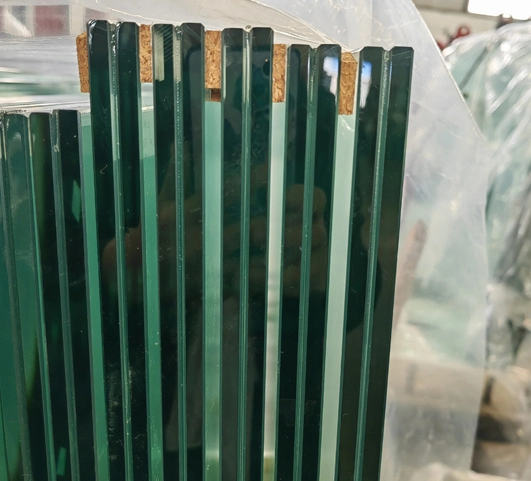


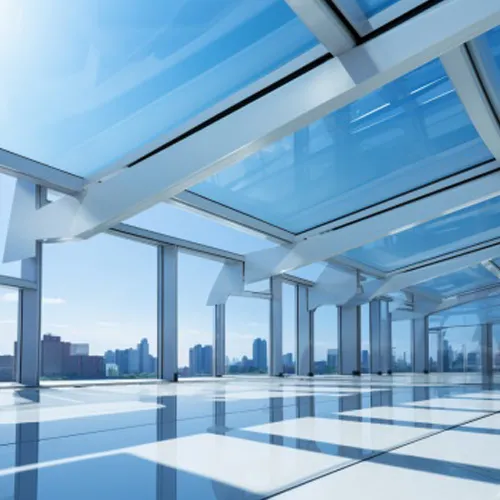


Selecting the right insulated glass units (IGUs) is a critical decision in energy efficient building design. The best IGU solution is not determined by glass thickness alone, but by evaluating climate conditions, building orientation, facade requirements, thermal performance targets, and long-term durability. A properly engineered IGU system can significantly reduce heat transfer, improve indoor comfort, and lower the energy consumption required for heating and cooling.
Modern buildings increasingly rely on advanced glazing technologies to achieve higher energy performance standards. High-performance insulated glass systems combine multiple glass layers, insulating cavities, Low-E coatings, gas filling technologies, and advanced sealing structures to create an effective thermal barrier between indoor and outdoor environments.
For architects, contractors, and developers, selecting the correct IGU configuration means balancing energy efficiency with daylight transmission, acoustic performance, safety requirements, and aesthetic expectations. The ideal glazing solution should support the overall building envelope design rather than function as an isolated component.
Insulated glass units are manufactured by combining two or more glass panes with a sealed air or gas-filled cavity between them. This structure reduces heat transfer through windows by limiting conduction, convection, and radiation.
Compared with traditional single glazing, IGUs provide significantly improved thermal resistance. During cold seasons, they reduce heat loss from interior spaces. During warmer seasons, they help control solar heat gain and reduce the cooling load placed on HVAC systems.
The energy performance of an IGU depends on several key components, including glass selection, coating technology, cavity width, gas filling, spacer materials, and sealing quality. These elements work together to determine important performance indicators such as U-value, Solar Heat Gain Coefficient (SHGC), and Visible Light Transmission (VLT).
A high-performance glazing system can contribute to:
Lower heating and cooling energy consumption
More stable indoor temperatures
Improved occupant comfort near windows
Reduced condensation risk
Better overall building envelope performance
Choosing an insulated glass unit requires a complete evaluation of project conditions. A specification that performs well in one building may not provide the same results in another location.
Climate is one of the most important factors influencing IGU selection. Buildings located in cold regions typically require glazing systems with excellent insulation performance to reduce heat loss. In contrast, buildings in hot climates often prioritize solar control to prevent excessive heat gain.
For mixed climates, the glazing system needs to provide balanced performance throughout the year. Architects must consider seasonal temperature changes, sunlight exposure, and building operating requirements before selecting the final IGU structure.
The direction and size of glass areas directly affect glazing performance. South-facing windows may receive strong solar radiation during certain periods, while east and west elevations can experience direct sunlight at lower angles.
Large glass facades require careful analysis because improper glazing selection may increase cooling loads and reduce occupant comfort. The right IGU configuration should control unwanted solar heat while maintaining sufficient natural daylight.
The selected glass type must meet both performance and safety requirements. Large facade systems, high-rise buildings, and areas exposed to strong wind pressure often require stronger glass combinations.
For applications where additional mechanical strength and safety performance are required, combining IGU systems with tempered glass can improve durability while maintaining the required architectural and thermal performance.
Glass thickness selection should consider:
Panel dimensions
Wind load requirements
Building height
Installation method
Safety standards
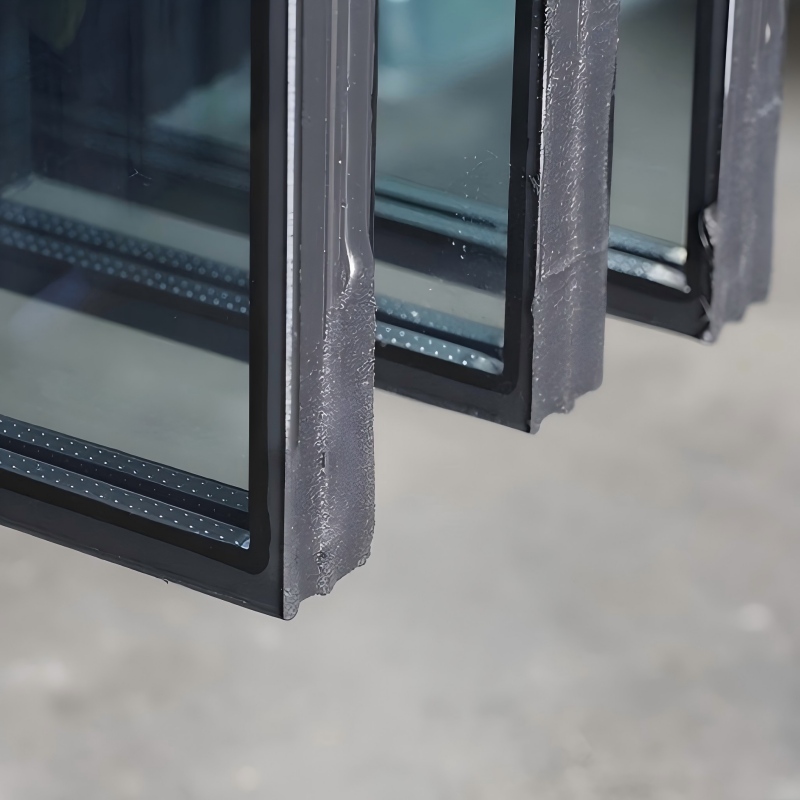
The edge area of an IGU plays an important role in overall thermal efficiency. Traditional metal spacers may create thermal bridges that allow heat transfer around the glass perimeter.
Warm-edge spacer technologies reduce edge conductivity and improve insulation performance. In addition, high-quality sealing systems prevent moisture penetration and maintain gas retention over the service life of the glazing unit.
Low-emissivity (Low-E) coating technology is one of the most important developments in energy-efficient glazing. These microscopic coatings are applied to glass surfaces to control infrared radiation while allowing visible light to pass through.
The main function of Low-E coatings is controlling heat movement. In winter conditions, the coating reflects indoor heat back into the building, helping maintain comfortable interior temperatures. In warmer environments, solar-control Low-E coatings reduce the amount of solar energy entering through windows.
Different projects require different Low-E solutions. A commercial office building with extensive curtain walls may require stronger solar control performance, while a residential building in a cold climate may prioritize heat retention.
When selecting Low-E glass, designers should evaluate:
| Performance Factor | Importance |
|---|---|
| U-Value | Measures heat transfer through the glazing system. Lower values indicate better insulation. |
| SHGC | Indicates the amount of solar heat entering through the glass. |
| Visible Light Transmission | Shows the amount of natural daylight passing through the glazing. |
| Color Appearance | Ensures the glazing matches architectural design requirements. |
Both double and triple glazing can provide excellent energy efficiency, but the correct choice depends on project requirements rather than simply selecting the highest specification.
| Feature | Double Glazed IGU | Triple Glazed IGU |
|---|---|---|
| Structure | Two glass panes with one insulating cavity | Three glass panes with two insulating cavities |
| Thermal Performance | High performance for most commercial and residential applications | Higher insulation capability for demanding projects |
| Weight | Lower weight and easier installation | Higher weight requiring stronger support systems |
| Cost | More economical initial investment | Higher cost but improved insulation performance |
| Typical Applications | Office buildings, apartments, commercial facades | Passive houses, extreme climate projects |
For many modern buildings, a properly designed double-glazed IGU with Low-E coating and argon filling can provide excellent energy performance. Triple glazing should be selected when the additional insulation value justifies the higher cost and structural requirements.
Thermal insulation glass plays an important role in sustainable architecture by reducing unwanted heat exchange between buildings and the surrounding environment.
Unlike conventional glass products, thermal insulation glass uses advanced technologies such as multiple glazing layers, Low-E coatings, and insulating cavities to improve energy efficiency. These features allow buildings to maintain more stable indoor temperatures while reducing dependence on mechanical heating and cooling systems.
In green building projects, glazing performance directly affects energy consumption calculations and occupant comfort. Selecting suitable thermal insulation glass helps designers achieve a balance between transparency, daylight availability, and energy conservation.
Modern building facades require glazing systems that combine performance and visual appeal. As a major element of contemporary architecture, architectural glass solutions must satisfy structural requirements while supporting energy efficiency goals.
Advanced IGU systems allow architects to create large transparent surfaces without sacrificing thermal performance. Through optimized glass combinations and coating technologies, modern glazing can support innovative facade designs while meeting increasingly strict energy standards.
Although thermal performance is often the primary reason for selecting IGUs, acoustic control is another important advantage of insulated glazing systems. The separated glass layers and sealed cavity help reduce sound transmission compared with single-pane glass.
The acoustic performance of an IGU depends on several factors, including glass thickness, cavity width, glass type, and the use of laminated layers. Different glass thicknesses on each side of the unit can improve sound reduction because they reduce the possibility of resonance at the same frequency.
For buildings located near highways, airports, industrial areas, or busy urban environments, acoustic performance should be considered during the early design stage. A well-engineered IGU can improve indoor comfort by reducing external noise while maintaining high thermal efficiency.
For projects requiring additional sound insulation and safety protection, working with experienced PVB laminated glass manufacturers can help develop customized glazing structures that combine impact resistance, acoustic performance, and design flexibility.
Different building types have different performance priorities. A residential project may focus on comfort and energy savings, while a commercial tower may require advanced facade performance, solar control, and acoustic protection.
| Application | Recommended IGU Configuration | Main Performance Goals |
|---|---|---|
| Residential Buildings | Double glazing + Low-E coating + Argon filling | Energy efficiency, indoor comfort, condensation control |
| Office Buildings | Low-E IGU with solar control coating | Reduced cooling load, daylight balance, occupant comfort |
| High-Rise Curtain Walls | Customized IGU with safety glass combination | Wind resistance, thermal performance, facade appearance |
| Passive Buildings | Triple glazing with high-performance Low-E coating | Maximum insulation and energy reduction |
| Noise-Sensitive Locations | IGU combined with laminated glass layers | Sound reduction and safety improvement |
Selecting the right manufacturer is equally important as choosing the correct glass specification. A reliable IGU supplier should have professional production capabilities, strict quality control procedures, and experience supporting different architectural applications.
| Evaluation Factor | What Buyers Should Check |
|---|---|
| Manufacturing Process | Automated production lines, glass cleaning accuracy, spacer installation, sealing technology |
| Quality Control | Inspection procedures for dimensions, sealing performance, gas retention, and appearance |
| Customization Capability | Ability to provide different glass combinations, coatings, sizes, and performance solutions |
| Technical Support | Professional recommendations based on climate, building design, and application requirements |
| Compliance Standards | Products tested according to recognized international glazing standards |
Many building projects focus only on initial product cost when selecting glazing systems. However, the cheapest option may not provide the best long-term value. Poor glazing decisions can increase energy consumption, reduce comfort, and create additional maintenance requirements.
Glass thickness is important for strength and safety, but it does not directly determine thermal insulation performance. A thinner IGU with advanced Low-E coating and proper gas filling may outperform a thicker conventional glass system.
The same IGU configuration may perform differently depending on window direction. Ignoring solar exposure can lead to overheating problems or unnecessary heating demand.
Even high-performance glass cannot achieve expected results if the edge sealing system is poor. Spacer design and manufacturing quality directly influence long-term durability.
IGU performance depends heavily on manufacturing precision. Incorrect sealing, contamination during assembly, or poor quality control can reduce service life and cause problems such as internal condensation or glass fogging.
Energy-efficient glazing should not simply reduce heat transfer. Modern building design also requires sufficient natural lighting to create comfortable and productive indoor environments.
Excessive solar control may reduce daylight transmission, while highly transparent glazing may increase cooling loads. The ideal IGU solution creates a balance between insulation, solar control, and visual comfort.
Advanced glazing design usually considers:
Building orientation and facade design
Local climate conditions
Indoor lighting requirements
Energy performance targets
Occupant comfort expectations
The main purpose of an insulated glass unit is to reduce heat transfer through windows and improve building energy efficiency. By using multiple glass layers and an insulating cavity, IGUs help maintain stable indoor temperatures and reduce heating and cooling requirements.
Yes. Compared with single glazing, insulated glass units provide better thermal insulation, improved acoustic performance, and lower condensation risk. They are widely used in modern residential, commercial, and high-performance building projects.
High-quality IGUs can provide many years of reliable service when manufactured and installed correctly. Their lifespan depends on factors such as sealing quality, environmental exposure, installation methods, and maintenance conditions.
Not necessarily. Triple glazing provides higher insulation performance, but it also increases weight, cost, and installation requirements. In many projects, optimized double glazing with Low-E coating and argon filling can achieve excellent energy efficiency.
Yes. IGUs can be customized according to project requirements, including glass type, coating selection, cavity size, gas filling, safety requirements, and acoustic performance targets.
Selecting insulated glass units for energy efficient building design requires a complete understanding of building conditions, climate requirements, and long-term performance goals. The most effective glazing solution combines suitable glass configurations, advanced coating technologies, optimized cavity structures, and reliable manufacturing quality.
As buildings continue moving toward higher energy efficiency standards, IGUs will remain an essential component of sustainable architecture. By selecting the right glazing system and working with experienced glass manufacturers, architects, developers, and contractors can achieve improved comfort, reduced energy consumption, and better overall building performance.