English
 日本語
日本語 한국어
한국어 français
 Deutsch
 Español
 italiano
 русский
 português
 Türkçe
 العربية
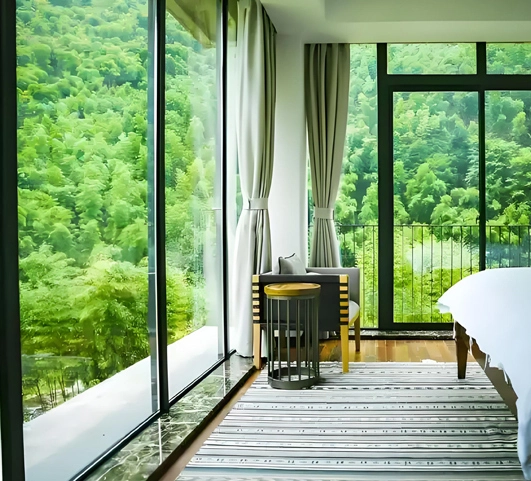


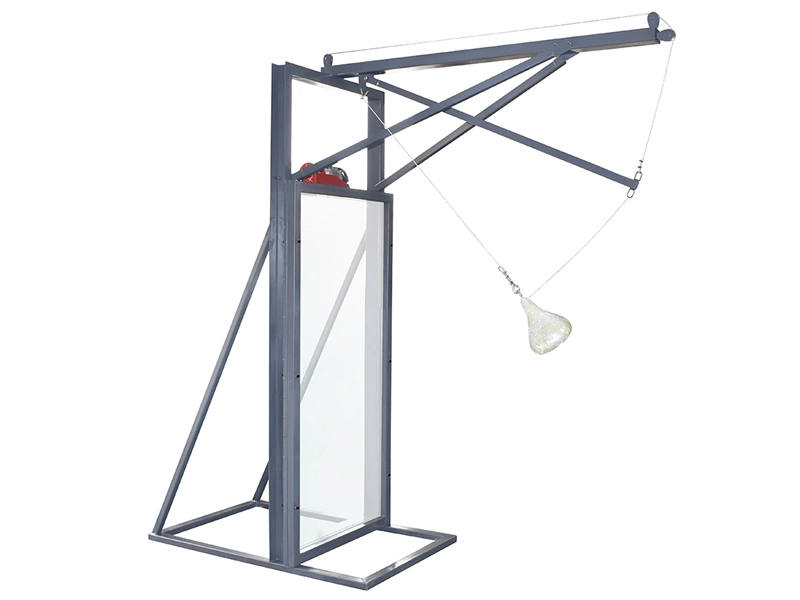

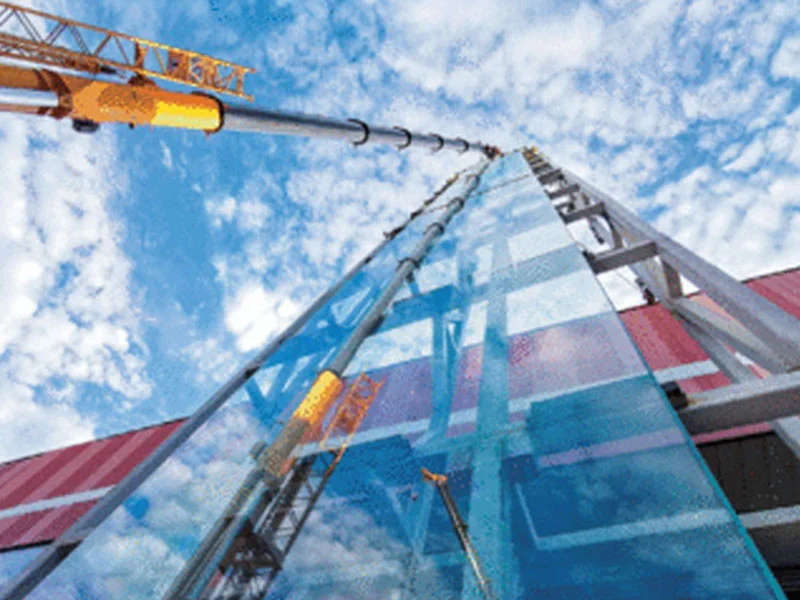
Laminated glass has become an important solution for modern buildings that require higher safety, better acoustic control, and improved architectural performance. By combining two or more glass layers with a durable interlayer, laminated glass can maintain structural integrity after impact while reducing sound transmission compared with conventional glazing solutions.
For commercial buildings, high-rise facades, airports, hotels, and residential projects, laminated glass provides advantages that go beyond basic transparency. Its interlayer technology helps control glass breakage, improves occupant protection, and supports better indoor comfort by reducing external noise. Among different configurations, PVB laminated glass is widely used because of its reliable safety performance, optical clarity, and compatibility with various architectural applications.
Modern architectural design increasingly focuses on balancing aesthetics, safety, energy efficiency, and occupant experience. Large glass surfaces create open and attractive spaces, but they also introduce challenges related to impact resistance, noise control, and building security.
Laminated glass addresses these challenges by using an interlayer between glass sheets. When the glass is damaged, the interlayer helps keep the broken pieces attached instead of allowing them to fall freely. This characteristic makes laminated glass especially suitable for locations where glass failure could create safety risks.
Compared with standard single-pane glass, laminated glass provides several functional advantages:
Improved safety after glass breakage
Better resistance against impact and penetration
Reduced external noise transmission
Enhanced protection from weather-related damage
Additional security for commercial and public buildings
Because of these advantages, laminated glass is commonly specified in projects where architects need both visual design flexibility and reliable performance.
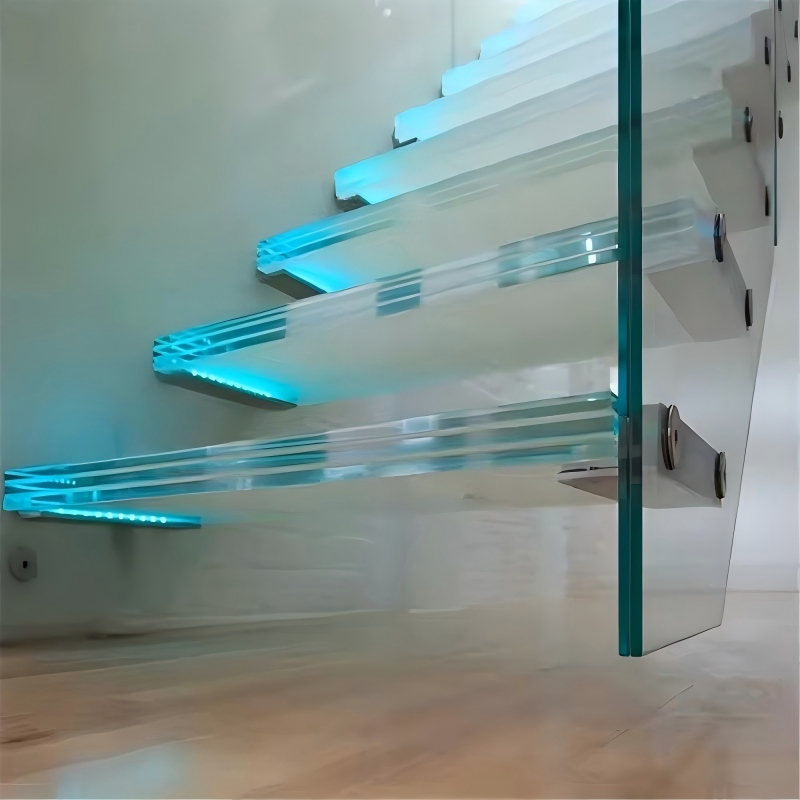
The primary safety advantage of laminated glass comes from its layered structure. During manufacturing, two glass sheets are bonded together using an interlayer, creating a composite material with improved performance compared with ordinary glass.
When impact occurs, the glass may crack, but the interlayer remains attached to the fragments. This prevents the glass from separating completely and reduces the risk of falling shards.
The interlayer acts as a protective bonding layer between glass panels. Its elasticity allows it to absorb part of the impact energy while maintaining adhesion with the broken glass pieces.
This behavior is especially important in applications such as:
High-rise building facades
Skylights and overhead glazing
Glass balustrades
Shopping centers
Transportation facilities
For example, if a facade panel is damaged by accidental impact or extreme weather conditions, laminated glass can remain partially intact, reducing the possibility of large glass fragments falling from height.
High-rise buildings require glazing systems that can handle demanding environmental conditions. Wind pressure, temperature changes, and maintenance requirements all influence glass selection.
In curtain wall applications, architects often choose laminated glass because safety performance after breakage is a critical consideration. The glass retention provided by the interlayer helps improve building safety and supports compliance with modern facade requirements.
For projects requiring customized safety glazing solutions, manufacturers typically evaluate glass thickness, interlayer selection, and installation conditions together rather than treating glass as a standalone material.
Lanjing Glass provides customized laminated glass solutions designed for architectural applications where safety, durability, and visual performance are required.
PVB laminated glass is one of the most widely used laminated glass solutions in architectural applications. PVB, or polyvinyl butyral, is a flexible interlayer material known for strong adhesion, optical clarity, and safety performance.
The PVB interlayer provides several important functions:
| Performance Aspect | Role of PVB Interlayer |
|---|---|
| Safety protection | Keeps broken glass fragments attached after impact |
| Acoustic performance | Helps reduce sound transmission through glazing systems |
| UV protection | Reduces ultraviolet radiation entering the building |
| Design flexibility | Supports different glass combinations and architectural requirements |
| Security performance | Improves resistance against forced entry and external impact |
Different PVB thicknesses and glass combinations allow architects to optimize performance according to project requirements. For example, a commercial office building located near a busy road may require a configuration focused on both safety and noise reduction.
Noise control has become an increasingly important requirement in modern buildings. Traffic, construction activity, aircraft noise, and urban environments can significantly affect indoor comfort.
Laminated glass improves acoustic performance by using the interlayer to reduce vibration transmission between glass layers. When sound waves reach the glass surface, the interlayer absorbs part of the vibration energy, reducing the amount of noise transferred into the interior space.
This makes laminated glass an effective solution for buildings located in noisy environments, including:
Airports and transportation hubs
Hotels in urban areas
Office buildings near highways
Residential buildings in city centers
Educational and healthcare facilities
Standard glass allows sound energy to pass through relatively easily because the rigid glass surface transfers vibration directly. Laminated acoustic glass introduces an additional damping layer that reduces this vibration movement.
For applications where noise control is a priority, architects often specify acoustic glass configurations with specially designed interlayers. These systems can improve indoor comfort without sacrificing natural lighting or architectural appearance.
Compared with traditional glazing, acoustic glass provides better control over airborne noise, especially in the frequency ranges associated with traffic and urban sounds.
The acoustic performance of laminated glass depends on multiple factors, including:
| Factor | Impact on Acoustic Performance |
|---|---|
| Glass thickness | Thicker glass generally improves sound reduction capability |
| Number of glass layers | Multiple layers improve overall acoustic performance |
| Interlayer type | Special acoustic interlayers provide additional vibration damping |
| Air space in insulated units | Combined systems can further improve noise control |
| Installation quality | Proper sealing prevents sound leakage |
Therefore, selecting the right acoustic glass solution requires considering the entire glazing system rather than only the glass itself.
| Glass Type | Main Advantage | Typical Applications |
|---|---|---|
| Laminated Glass | Maintains integrity after breakage and improves acoustic performance | Facades, skylights, security glazing |
| Tempered Glass | High strength and safer fragmentation | Doors, partitions, shower enclosures |
| Annealed Glass | Basic glass solution with easy processing | General non-safety applications |
While tempered glass provides excellent impact resistance, laminated glass offers additional advantages when designers need controlled breakage behavior and improved sound insulation.
In many advanced architectural projects, laminated glass and tempered glass are combined. For example, tempered laminated glass can provide both higher mechanical strength and improved post-breakage safety.
The application of laminated glass has expanded significantly as architects and engineers seek glazing solutions that combine transparency, safety, and comfort. Different building types require different performance priorities, but laminated glass is widely used wherever glass failure, noise control, or occupant protection must be carefully considered.
High-rise buildings are one of the most demanding applications for architectural glazing. Facade systems must withstand wind loads, temperature changes, and long-term environmental exposure.
Laminated glass is often selected for curtain walls because the interlayer helps maintain glass stability after damage. This characteristic is especially valuable in tall buildings where falling glass fragments could create significant safety risks.
Transportation facilities require glazing systems that can handle both safety and acoustic challenges. Large glass areas improve visibility and natural lighting, but they also expose interiors to external noise.
By combining structural safety with sound reduction capabilities, laminated glass helps create more comfortable environments in airports, railway stations, and other public transportation facilities.
For hotels and residential projects, acoustic comfort is a major factor affecting occupant experience. Buildings located near busy roads, commercial districts, or entertainment areas often require glazing solutions that reduce outside noise.
Using acoustic glass configurations allows designers to maintain modern glass aesthetics while improving indoor quietness.
Modern office buildings increasingly use large glass facades to create open and bright workspaces. However, excessive external noise can affect employee concentration and productivity.
Laminated glass helps address this challenge by improving sound insulation while maintaining architectural transparency.
Selecting the correct laminated glass configuration requires evaluating the complete building environment rather than choosing glass based only on thickness or appearance.
Professional architects and facade engineers usually consider several important factors:
The first consideration is how the glass will perform if damaged. Buildings with high occupancy, large facade areas, or overhead glazing usually require glazing systems that minimize risks after breakage.
Laminated glass provides an advantage because the interlayer helps keep fragments together and improves overall safety performance.
Noise conditions around the building directly influence glass selection. Projects near airports, highways, or dense urban areas may require higher acoustic performance.
In these cases, architects may select acoustic glass configurations with optimized interlayers to reduce external sound transmission.
The final performance of laminated glass depends on the complete glass structure, including:
Individual glass thickness
Number of glass layers
Interlayer thickness
Support system design
Installation quality
A professional supplier should evaluate these factors together to provide a suitable solution for the project conditions.
Modern architectural projects often require glass systems that balance multiple functions, including daylight performance, energy efficiency, safety, and visual appearance.
By selecting suitable glass combinations, architects can achieve both aesthetic goals and practical building performance.
For projects requiring customized solutions, manufacturers with professional processing capabilities can provide different configurations of PVB laminated glass for applications requiring enhanced safety, clarity, and acoustic performance.
The performance of laminated glass is influenced by several technical factors. Understanding these elements helps architects make better decisions during the design stage.
| Performance Factor | Influence on Glass Performance |
|---|---|
| Interlayer material | Determines safety, acoustic, and durability characteristics |
| Glass thickness | Affects strength, weight, and sound insulation performance |
| Lamination quality | Influences long-term reliability and optical quality |
| Edge processing | Helps prevent defects during installation and operation |
| Installation method | Affects overall system performance and sealing efficiency |
Manufacturing precision is particularly important for architectural applications. Small defects in processing or installation can affect the final performance of the glazing system.
PVB remains one of the most common interlayer materials for architectural laminated glass because it provides a combination of safety, optical performance, and design flexibility.
Its strong adhesion allows the glass layers to remain connected after breakage, while its flexible characteristics help improve resistance against impact forces.
In addition, PVB interlayers can provide benefits such as:
Improved safety performance
Reduced ultraviolet transmission
Better acoustic control
Compatibility with different glass designs
Reliable long-term performance
For commercial buildings, residential developments, and facade systems, PVB laminated glass continues to be a preferred choice when safety and comfort are equally important.
Laminated glass and tempered glass provide different safety advantages. Tempered glass is designed to break into small fragments, while laminated glass is designed to keep broken pieces attached through the interlayer. For applications such as facades, skylights, and security glazing, laminated glass often provides better post-breakage protection.
Yes. Laminated glass can reduce external noise because the interlayer absorbs part of the vibration energy produced by sound waves. Special acoustic glass configurations can further improve sound insulation performance.
PVB laminated glass is widely used in architectural applications including curtain walls, windows, skylights, safety glazing, and commercial buildings where safety, durability, and acoustic performance are required.
Yes. Laminated glass is commonly used in curtain wall systems, especially in high-rise buildings where maintaining glass stability after breakage is an important safety consideration.
When properly manufactured and installed, laminated glass can provide long-term performance in architectural applications. Durability depends on glass quality, interlayer selection, environmental conditions, and installation methods.
Acoustic glass is usually a type of laminated glass designed specifically for improved sound insulation. It often uses specialized interlayers that provide better vibration damping compared with standard glazing systems.
Laminated glass plays an increasingly important role in modern buildings because it combines safety, acoustic performance, and architectural flexibility in one glazing solution.
By keeping glass fragments attached after breakage, laminated glass improves occupant protection and supports safer building designs. At the same time, its interlayer technology helps reduce sound transmission, making it an effective choice for projects where indoor comfort is a priority.
From high-rise facades and commercial buildings to residential developments and transportation facilities, the right laminated glass configuration allows architects to achieve better performance without compromising visual design.
Choosing the correct glass structure, interlayer type, and manufacturing partner is essential for achieving reliable long-term results in modern architectural projects.