English
 日本語
日本語 한국어
한국어 français
 Deutsch
 Español
 italiano
 русский
 português
 Türkçe
 العربية

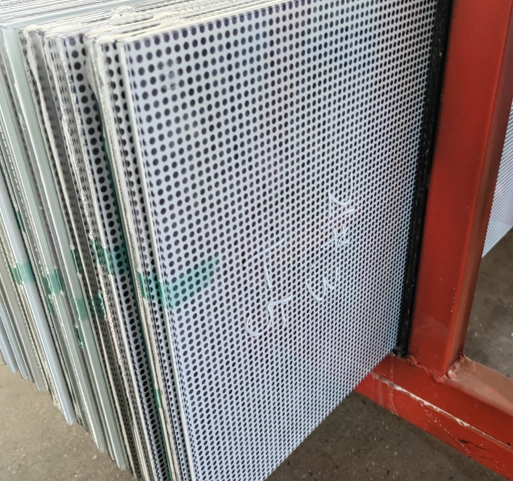
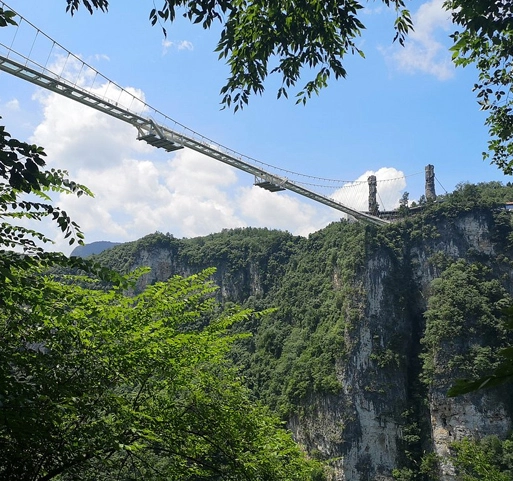
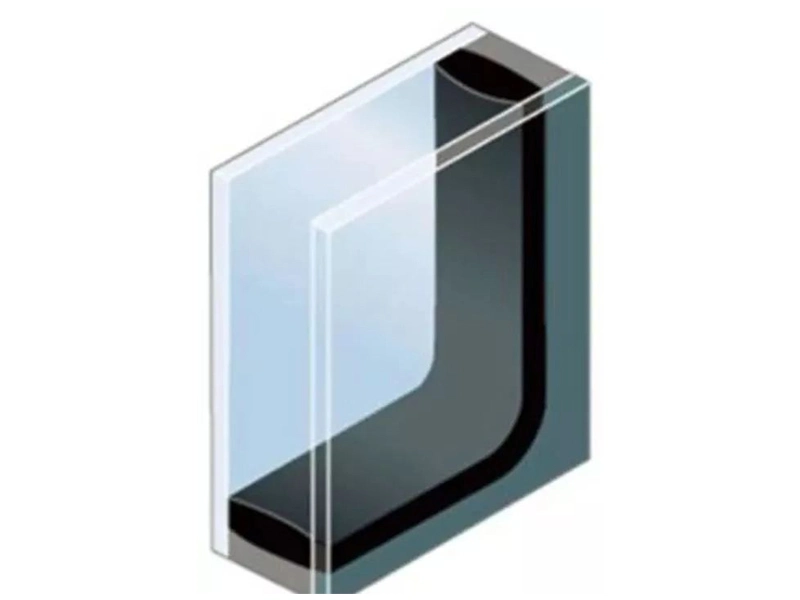
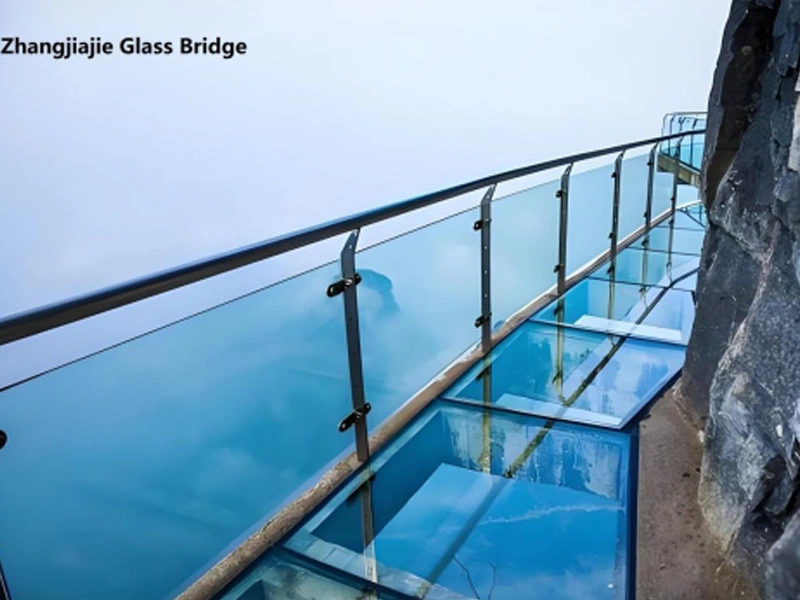
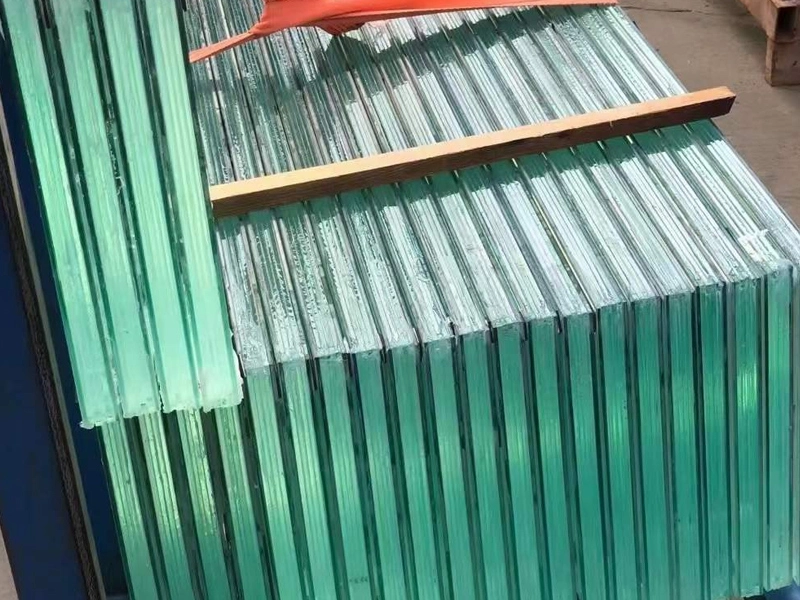
Ordinary laminated glass refers to laminated glass with annealed float glass as its substrate. It does not include bulletproof glass, aquarium glass, or multi-layer laminated glass.
PVB interlayer film is a translucent film made of polyvinyl butyral resin plasticized and extruded with a plasticizer. It appears as a translucent film without impurities, has a smooth surface with a certain roughness and good flexibility, and exhibits excellent adhesion to inorganic glass. It features transparency, heat resistance, cold resistance, moisture resistance, and high mechanical strength. It is currently the best adhesive material for manufacturing laminated and safety glass worldwide, a standard upheld by top PVB laminated glass manufacturers. It is also widely used in building doors and windows, curtain walls, and various automotive and bulletproof glass fields.
Safety
When subjected to external impact, the elastic interlayer absorbs the impact, preventing the object from penetrating through.
Anti-theft
PVB laminated glass is very tough. Even if a thief cracks the glass, the interlayer remains firmly adhered to the glass, maintaining its integrity and preventing the thief from entering.
Sound Insulation
Due to PVB film's damping effect on sound waves, PVB laminated glass effectively suppresses noise transmission, offering significant sound insulation benefits.
UV Protection
PVB film can absorb more than 99% of UV rays, protecting indoor furniture, plastic products, textiles, carpets, artworks, ancient artifacts, or commodities from fading and aging caused by UV exposure.
Energy Efficiency
Architectural laminated glass made with PVB film can effectively reduce solar transmittance. With the same thickness, laminated glass made with dark, low-transmittance PVB film has a stronger heat-blocking capability.