English
 日本語
日本語 한국어
한국어 français
 Deutsch
 Español
 italiano
 русский
 português
 Türkçe
 العربية
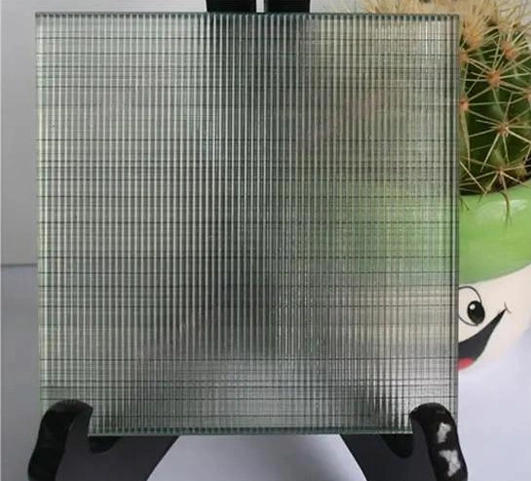
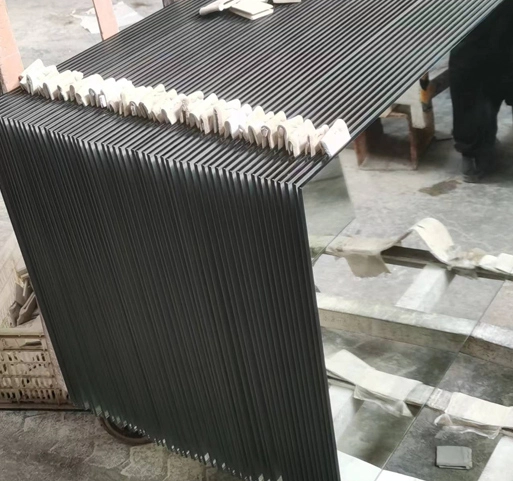
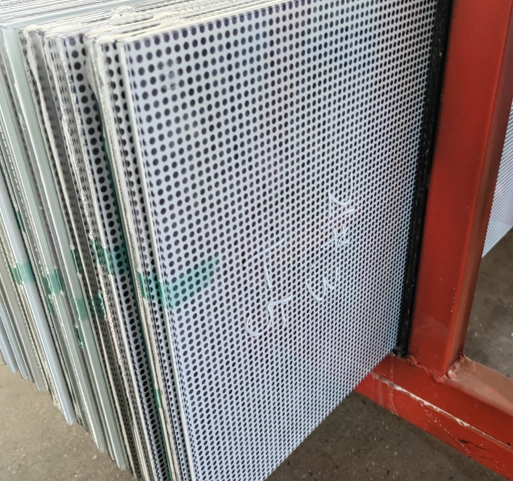
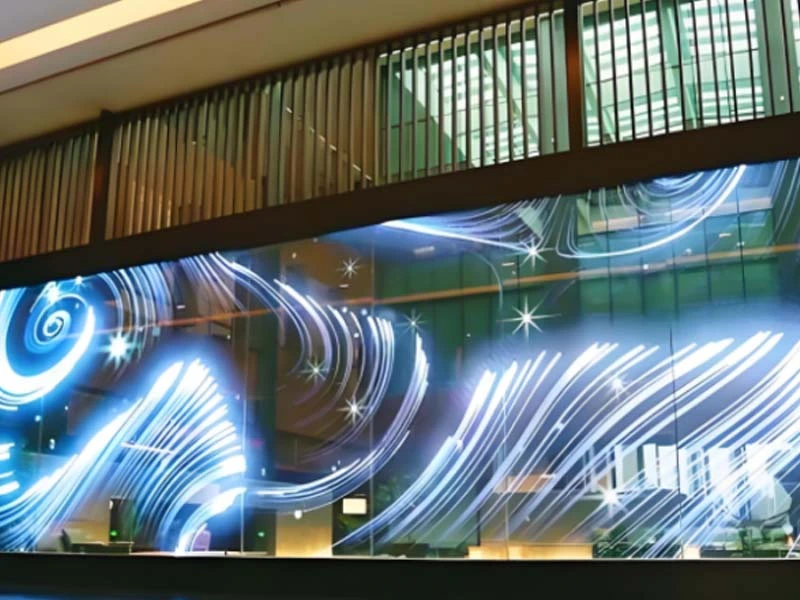
In modern architecture and industrial fields, glass is an important structural material that not only serves aesthetic decoration but also needs to provide multiple functions such as safety and durability. To enhance the physical properties of glass, especially to improve its impact resistance, heat resistance, and safety, heat-treated glass has emerged. Through a special heat treatment process, it not only enhances the strength of the glass but also expands its range of applications. This article will provide an in-depth analysis of what heat-treated glass is, its manufacturing process, and its applications in various fields.
Heat-treated glass is glass manufactured through a high-temperature treatment process, supplied by specialized heat treated glass supplier. Typically, the glass is heated to a certain temperature (about 600℃-700℃) and then rapidly cooled. During this process, a compression stress layer forms on the glass surface, while the interior remains under tensile stress, significantly enhancing the strength and safety of the glass.
Depending on the type of heat treatment, heat-treated glass is mainly divided into two categories:
Tempered Glass and Semi-Tempered Glass
Tempered glass is the most common type of heat-treated glass. Its manufacturing process involves heating the glass to near its softening point and then rapidly cooling its surface with cold air. The impact resistance of tempered glass is four to five times that of ordinary glass.
Semi-tempered glass, also known as heat-strengthened glass, is made by annealing glass through high temperature and quenching, which forms a compression stress of less than 69 MPa on the surface, increasing the mechanical strength of the glass several times, thus forming semi-tempered glass. It has some of the advantages of tempered glass, such as higher strength than ordinary float glass, which is twice that of ordinary float glass, while avoiding the drawbacks of tempered glass such as poor flatness, easy self-explosion, and overall fragmentation upon damage.
Bent Glass
Bent glass is made by heating the glass to a certain temperature and then gradually cooling it down at a slower rate than tempered glass, thereby enhancing its strength, though not as strong as tempered glass. Bent glass is typically used in situations where high strength is not required, but bending is necessary.
Enhanced Impact Resistance
The most notable characteristic of heat-treated glass is its excellent impact resistance. Tempered glass can withstand pressures several times higher than ordinary glass, making it widely used in high-risk construction and transportation fields.
High Safety
When heat-treated glass breaks, it forms small granules instead of sharp shards, significantly reducing the risk of injury. When tempered glass breaks, it shatters into many small particles, avoiding the severe safety hazards posed by traditional glass.
Strong Heat Resistance
The heat treatment process enhances the glass's heat resistance. Tempered glass can withstand greater temperature fluctuations without breaking easily, making it widely used in environments requiring resistance to temperature changes, such as windows, stoves, and tableware.
Good Workability
Although heat-treated glass is strong, its processing requires special care because its strength greatly decreases if cut or drilled after heat treatment. Therefore, accurate design and cutting must be done before heat treatment.
Due to its high strength and safety, heat-treated glass has been widely used in the following fields:
Construction Industry
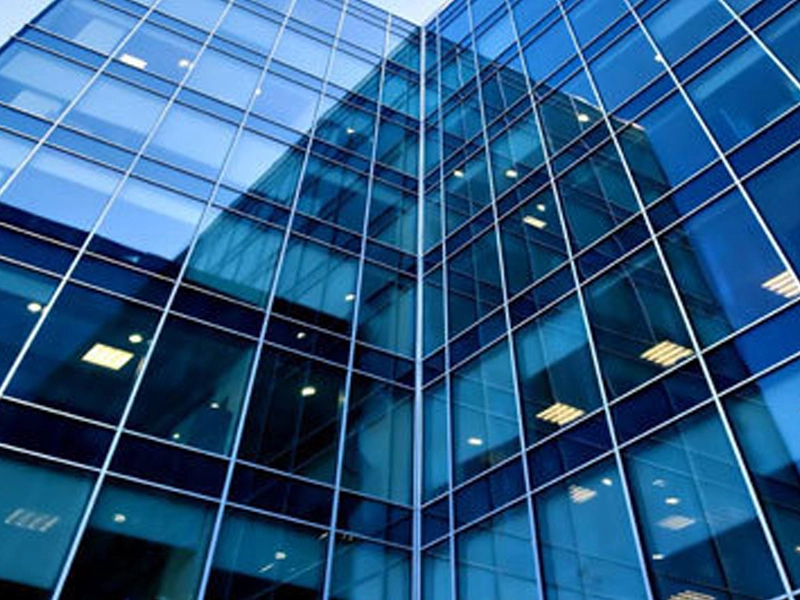
Tempered glass is widely used in curtain walls, windows, doors, partitions, and other building facades and interior decorations. Its high strength and impact resistance make it an indispensable part of modern architectural design.
Automotive Industry
Tempered glass is commonly used for automotive windshields, side windows, and rear windows. It can withstand wind pressure and external impacts, improving driving safety.
Home Appliance Industry
Many modern home appliances, such as microwave ovens, ovens, and glass stoves, use heat-treated glass. It can withstand high temperatures and ensures that in the event of an accidental collision, severe injury is avoided.
Furniture and Decoration
Tempered glass is also used in furniture like glass tabletops, bookshelves, and bathroom partitions. Its aesthetic appeal and durability, along with its high strength, make it increasingly favored in furniture design.
Security and Fire Protection
In situations with high safety requirements, heat-treated glass is used to make bulletproof glass, fire-resistant glass, and more. These glass products provide higher protection under extreme conditions.
Due to its excellent strength, heat resistance, and safety, heat-treated glass has been widely applied in modern architecture, automotive, home appliance, and other fields. With technological advancements, the production process and application range of heat-treated glass are continuously expanding. Choosing Lanjing as a suitable heat-treated glass supplier can ensure that you receive products that meet your needs and are of reliable quality, providing a solid guarantee for your project.