English
 日本語
日本語 한국어
한국어 français
 Deutsch
 Español
 italiano
 русский
 português
 Türkçe
 العربية
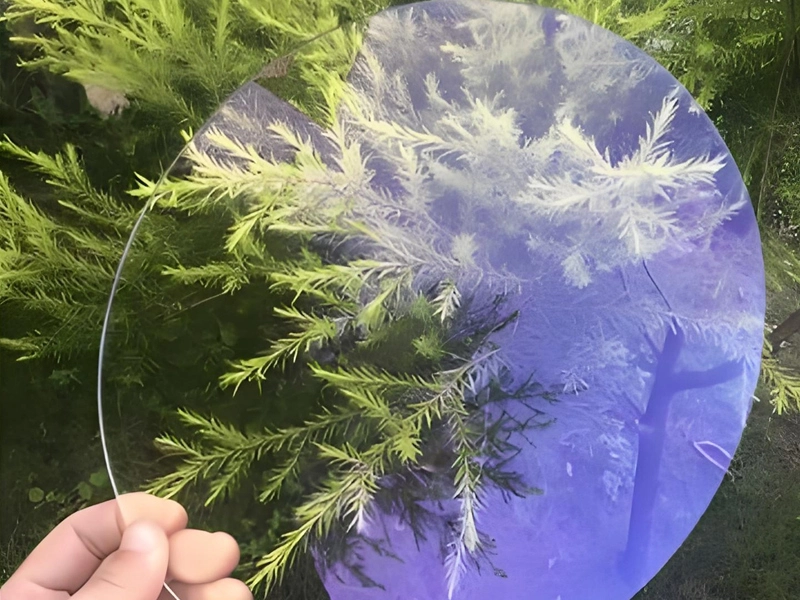
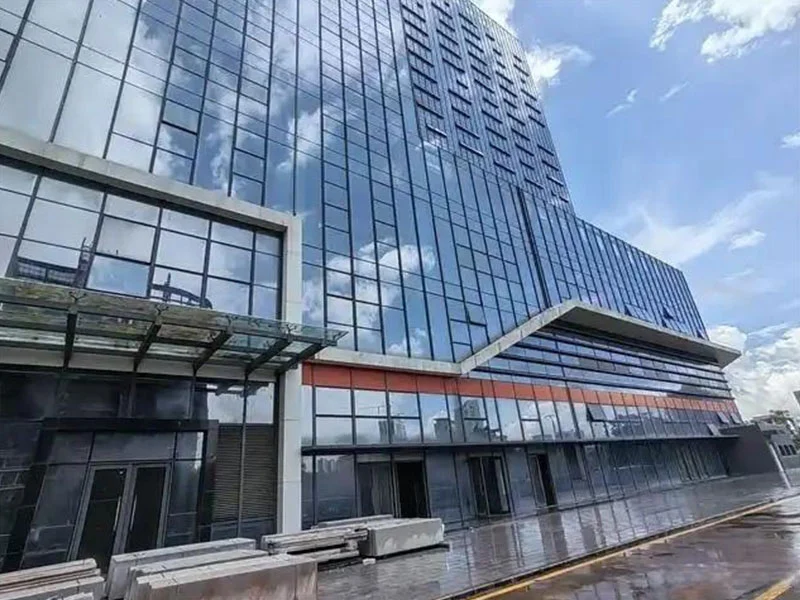
Selecting greenhouse glass for commercial agricultural projects requires a deeper understanding of optical performance than simply comparing transparency values. The amount of sunlight entering a greenhouse directly affects photosynthesis, crop development, energy consumption, and overall production efficiency.
Three key indicators determine greenhouse glass optical performance: Visible Light Transmission (VLT), solar reflectance, and anti-reflective performance. Together, these factors define how efficiently sunlight passes through the glazing system and how effectively it is distributed throughout the growing environment.
A greenhouse glazing solution with high optical efficiency should not only allow maximum usable light transmission but also maintain consistent performance under long-term exposure to UV radiation, temperature changes, humidity, and cleaning conditions.
For greenhouse developers and agricultural investors, understanding how to interpret technical glass data helps avoid choosing products based only on marketing claims. The correct glazing selection should consider crop requirements, geographic location, greenhouse structure, and climate conditions.
Visible Light Transmission, commonly known as VLT, measures the percentage of visible light that passes through glass. In greenhouse applications, this value represents how much natural sunlight is available for plant growth.
Plants primarily use photosynthetically active radiation (PAR), which covers wavelengths between approximately 400 and 700 nanometers. Therefore, greenhouse glass with optimized visible light transmission can provide more usable energy for photosynthesis.
However, the highest VLT value is not always the best solution.
A greenhouse located in a high-temperature climate may require a balance between light transmission and solar heat control. Meanwhile, a greenhouse in regions with limited sunlight may prioritize maximum daylight penetration.
Typical considerations include:
| Project Condition | Recommended Optical Focus |
|---|---|
| Northern climate with limited sunlight | Maximum light transmission |
| Tropical or high-temperature regions | Balanced transmission and solar control |
| High-value crop production | High transmission with improved light distribution |
| Research greenhouses | Precise optical performance control |
When evaluating glass greenhouse panels for sale, buyers should review complete optical specifications instead of focusing only on the VLT value.
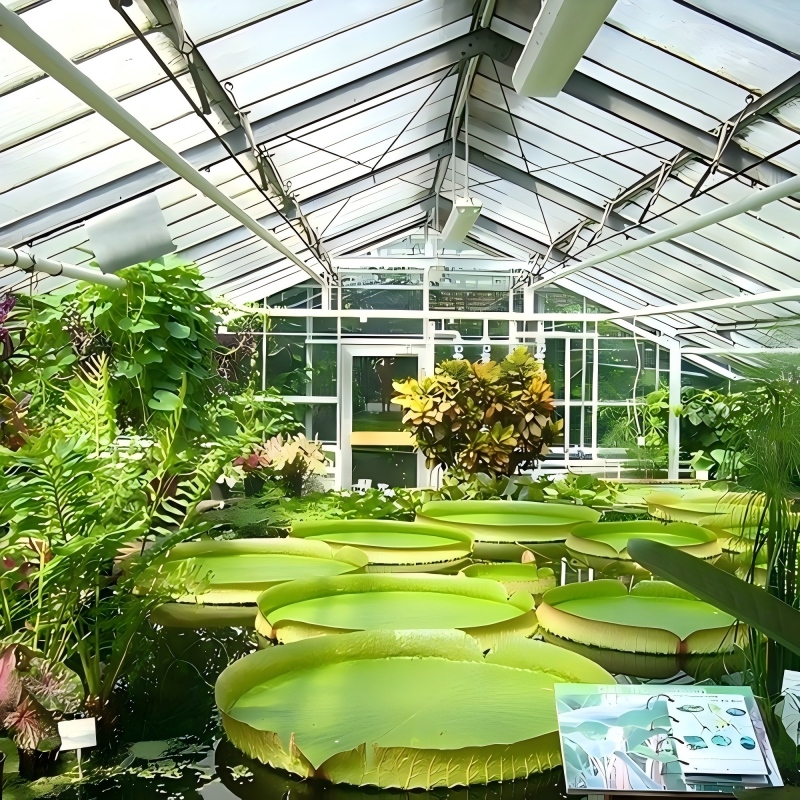
Greenhouse glass performance is typically evaluated through optical testing methods that measure how light interacts with the glazing material.
Important measurement parameters include:
| Parameter | Definition | Impact on Greenhouse Performance |
|---|---|---|
| Visible Light Transmission (VLT) | Percentage of visible light passing through glass | Determines available daylight |
| PAR Transmission | Transmission of plant-useful radiation | Influences photosynthesis |
| Solar Transmittance | Total solar energy passing through glass | Affects temperature control |
| Reflectance | Solar energy reflected away from glass | Determines optical losses |
| Diffuse Transmission | Scattered light distribution | Improves canopy illumination |
Modern greenhouse glass evaluation increasingly considers diffuse light performance in addition to direct transmission. The NEN 2675 standard specifically addresses measurement methods for transmission and light diffusion properties of greenhouse covering materials.
This is especially important because actual greenhouse conditions differ from laboratory measurements. Sunlight reaches greenhouse structures from multiple angles, and diffuse outdoor radiation can significantly influence real-world performance.
While greenhouse glass is designed to transmit sunlight, part of incoming radiation is naturally reflected from the glass surface.
Reflection occurs because of the difference between the refractive index of air and glass. Every glass surface creates a certain amount of optical loss before sunlight enters the greenhouse.
Solar reflectance indicates the percentage of solar energy reflected away rather than transmitted through the glass.
Lower reflectance generally helps improve sunlight utilization because more radiation reaches the plants.
The relationship between transmission and reflection can be summarized as:
| Optical Characteristic | Effect |
|---|---|
| High transmission | More sunlight enters greenhouse |
| Low reflectance | Reduced optical loss |
| Controlled diffusion | Better light distribution |
| Stable coating performance | Long-term efficiency |
For large commercial greenhouse installations, even small differences in reflection performance can influence total annual light availability.
Light availability inside a greenhouse depends on more than the glass transmission value shown on a product specification sheet.
Actual plant-level light is affected by:
Glass reflection losses
Roof structure shading
Installation angle
Surface contamination
Seasonal solar position
Research on greenhouse glazing materials shows that measured transmission values can differ from the amount of light actually reaching plant canopies because of structural and environmental factors.
Therefore, professional greenhouse designers evaluate complete optical performance rather than a single laboratory value.
Anti-reflective performance refers to the ability of specially treated glass surfaces to reduce reflected sunlight.
Standard glass naturally reflects part of incoming light. Anti-reflective coatings reduce this reflection by creating an optical layer that allows more sunlight to enter the greenhouse.
This technology is increasingly used in applications where maximizing available light is critical.
Common applications include:
Commercial vegetable greenhouses
Flower cultivation facilities
High-latitude agricultural projects
Controlled environment agriculture systems
Anti-reflective treatment improves performance by:
Increasing usable sunlight transmission
Reducing surface reflection losses
Improving energy utilization
Supporting higher light availability during low-radiation periods
However, coating durability is equally important. A high-performance coating must maintain optical properties after years of exposure to:
UV radiation
Rain and humidity
Temperature cycling
Cleaning procedures
The chemical composition of glass significantly affects optical clarity.
Standard float glass contains small amounts of iron oxide, which can create a green tint and slightly reduce visible light transmission.
For projects requiring higher optical performance, low-iron glass is often preferred.
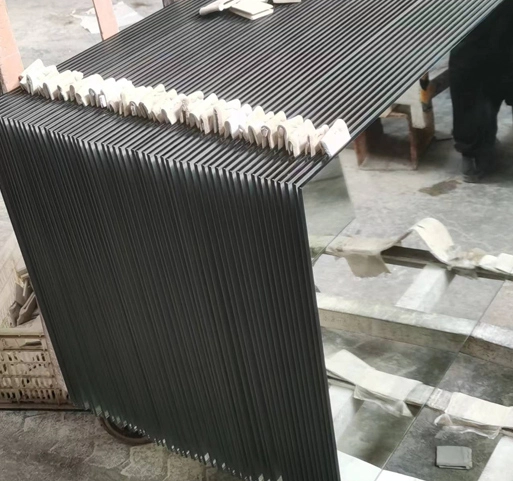
Low iron glass tempered combines improved optical clarity with enhanced mechanical strength.
Key advantages include:
Higher visible light transmission
Reduced green coloration
Better sunlight utilization
Improved visual appearance
Low-iron tempered glass is especially suitable for applications where both optical quality and structural reliability are important.
The main benefit of low-iron glass is reduced absorption of visible wavelengths.
Compared with conventional glass, low-iron glass allows more sunlight to pass through, making it valuable for greenhouse projects where every percentage of additional light can influence production efficiency.
Typical applications include:
Commercial horticulture facilities
Botanical gardens
Research greenhouses
Premium agricultural projects
The final specification should still consider:
Climate conditions
Structural requirements
Safety standards
Budget limitations
In modern greenhouse design, light distribution has become as important as light transmission. A greenhouse with extremely high direct light transmission may still experience uneven illumination, creating strong contrasts between exposed and shaded areas.
Diffuse light technology helps distribute sunlight more evenly throughout the greenhouse environment. Instead of allowing sunlight to travel only in a straight direction, diffuse glazing scatters light rays so they can reach more parts of the plant canopy.
This is especially beneficial for crops with dense foliage, where lower leaves may receive insufficient direct sunlight.
Diffuse light performance can contribute to:
More uniform crop growth
Better light penetration into lower leaves
Reduced shadow areas
Improved photosynthesis efficiency
More consistent production quality
For large commercial greenhouses, diffuse transmission is often considered together with VLT because maximum light quantity does not always guarantee maximum plant utilization.
A well-designed greenhouse glazing system aims to achieve a balance between:
Total transmitted light
Light distribution
Temperature management
Crop requirements
Understanding the difference between direct and diffuse light helps buyers select suitable greenhouse glazing.
| Light Type | Characteristics | Impact on Greenhouse |
|---|---|---|
| Direct Light | Travels straight through glass | Creates stronger shadows |
| Diffuse Light | Scatters in multiple directions | Improves light distribution |
| Mixed Light | Combination of direct and diffuse radiation | Provides balanced performance |
Direct sunlight is valuable because it provides high energy intensity, but excessive direct radiation may create uneven growing conditions.
Diffuse light reduces these limitations by spreading sunlight more evenly across the growing area.
For greenhouse projects involving high-density crops, diffuse glass can provide significant advantages compared with traditional clear glazing.
The choice between tempered and laminated glass depends on greenhouse structure, safety requirements, and environmental conditions.
Both options provide advantages, but they serve different project requirements.
Tempered glass is heat-treated to improve mechanical strength and thermal resistance.
Key benefits include:
Higher impact resistance
Better resistance to temperature changes
Improved safety characteristics
Reduced risk of dangerous sharp fragments after breakage
Tempered glass is commonly selected for commercial greenhouse structures where strength and durability are important.
Laminated glass consists of multiple glass layers bonded together using an interlayer.
When breakage occurs, the interlayer helps maintain the integrity of the glass structure and keeps fragments attached.
For greenhouse applications requiring additional safety protection, laminated glass panels provide advantages such as:
Improved safety after impact
Reduced risk of falling glass fragments
Enhanced structural performance
Better protection in demanding environments
The final selection depends on:
Greenhouse size
Installation location
Wind conditions
Safety requirements
Local regulations
Glass thickness directly affects mechanical performance, durability, and installation requirements.
Common thickness options include:
| Glass Thickness | Typical Application |
|---|---|
| 3–4 mm | Small greenhouse structures |
| 5–6 mm | Commercial greenhouse projects |
| 8 mm or above | Large structures requiring enhanced strength |
However, thickness should never be selected independently.
Professional evaluation should consider:
Wind load
Support system design
Panel dimensions
Safety requirements
Transportation conditions
A thicker glass panel does not automatically provide better greenhouse performance if the optical requirements are not properly considered.
Before selecting a supplier, buyers should evaluate technical information beyond product pricing.
Request detailed information about:
Visible Light Transmission
Solar Transmission
Reflectance
Diffuse Light Percentage
Haze Value
These parameters determine how effectively sunlight will be utilized.
Important quality indicators include:
Thickness tolerance
Surface quality
Edge processing
Dimensional accuracy
Defect inspection
Ask suppliers about:
Coating durability
UV resistance
Weather performance
Cleaning compatibility
Because greenhouse glass is often shipped internationally, proper packaging is essential.
Buyers should confirm:
Protective packaging methods
Moisture prevention
Corner protection
Loading procedures
A reliable supplier should provide complete technical documentation before shipment.
Lanjing Glass Technology provides customized glass solutions for agricultural, architectural, and specialty applications.
For greenhouse projects, professional support includes:
Glass specification recommendations
Optical performance evaluation
Customized processing solutions
Quality inspection support
By combining advanced manufacturing capabilities with strict quality management, Lanjing helps customers select greenhouse glazing products that meet requirements for light transmission, durability, and structural performance.
The company focuses on providing reliable glass solutions that support modern agricultural development and high-performance greenhouse construction.
There is no universal best VLT value. The ideal specification depends on crop type, climate conditions, greenhouse design, and whether additional lighting or cooling systems are used.
High-light crops usually benefit from higher transmission, while hot climates may require a balance between light and heat control.
Anti-reflective coatings can improve sunlight utilization by reducing reflection losses and allowing more light to enter the greenhouse. The actual benefit depends on crop type, climate, and overall greenhouse design.
Diffuse light helps distribute sunlight more evenly throughout the greenhouse, allowing more plant areas to receive usable radiation and reducing excessive shading.
Low-iron glass provides higher optical clarity and improved visible light transmission compared with standard glass. It is often selected for projects where maximum sunlight utilization is required.
Buyers should request:
Optical test reports
Glass thickness information
Quality certificates
Production inspection records
Packaging specifications
Complete documentation helps ensure the selected product meets project requirements.
Yes. Properly selected greenhouse glass can improve energy efficiency by optimizing natural light utilization, controlling solar heat gain, and reducing the need for artificial lighting.
Reading greenhouse glass performance data requires understanding the relationship between VLT, reflectance, anti-reflective performance, and diffuse light characteristics.
A successful greenhouse glazing solution is not defined by a single number. Instead, it requires balancing optical efficiency, structural safety, environmental durability, and crop requirements.
For commercial greenhouse projects, selecting the right glass specification can improve sunlight utilization, support healthier crop growth, and contribute to long-term operational efficiency.
Lanjing Glass Technology provides professional glass solutions for greenhouse, architectural, and specialty applications. Through advanced processing technology and strict quality control, Lanjing supports customers in selecting reliable glazing products designed for specific project conditions.
https://www.nen.nl/en/nen-2675-c1-2018-en-251294